

How does cultural legacy influence innovation?
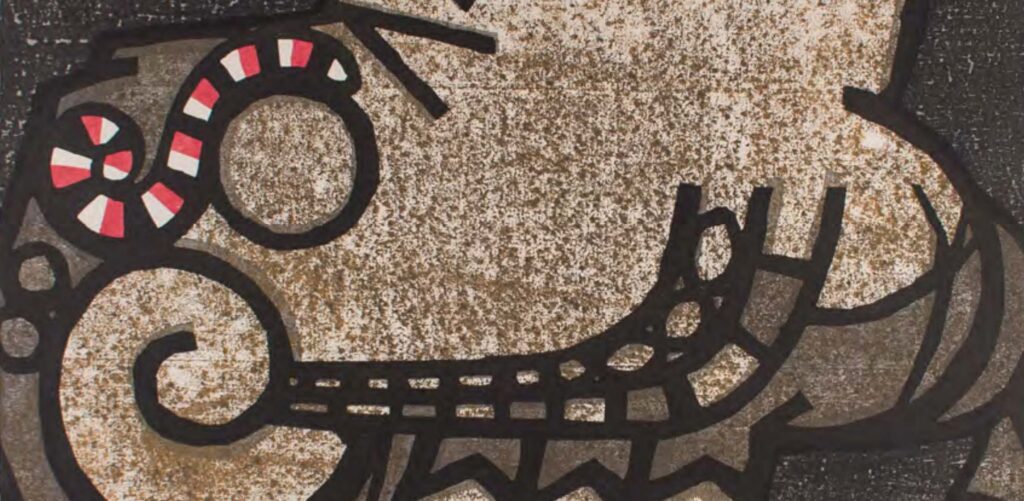
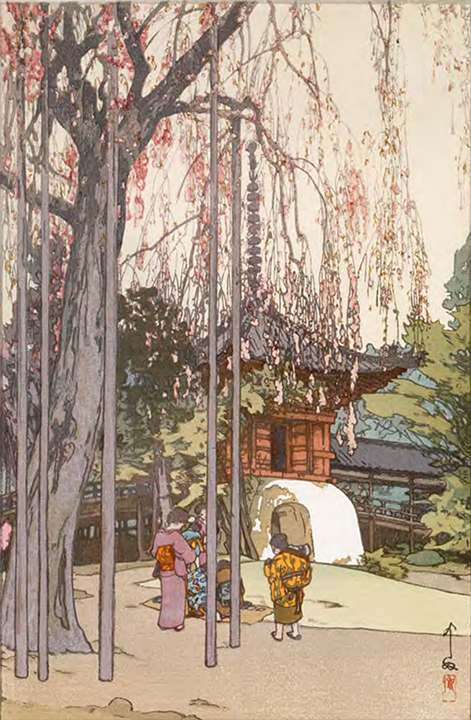
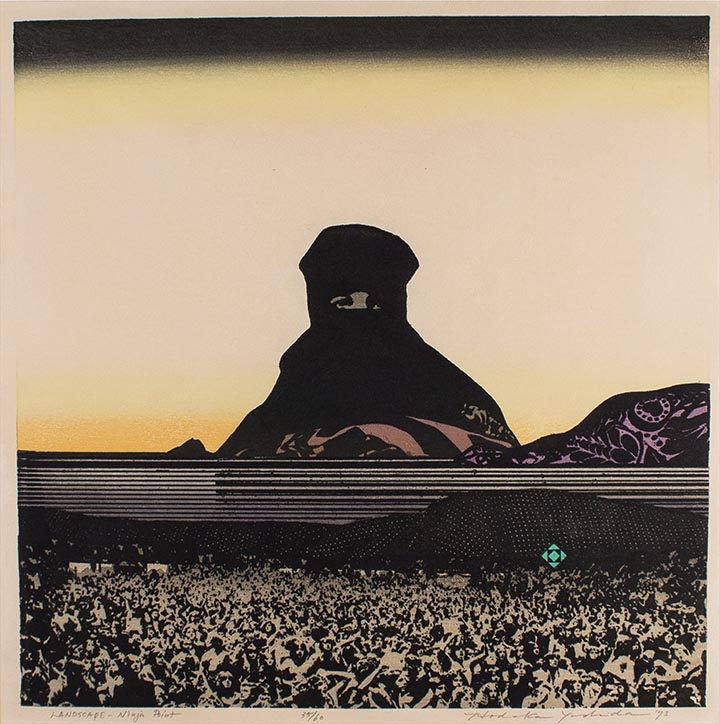
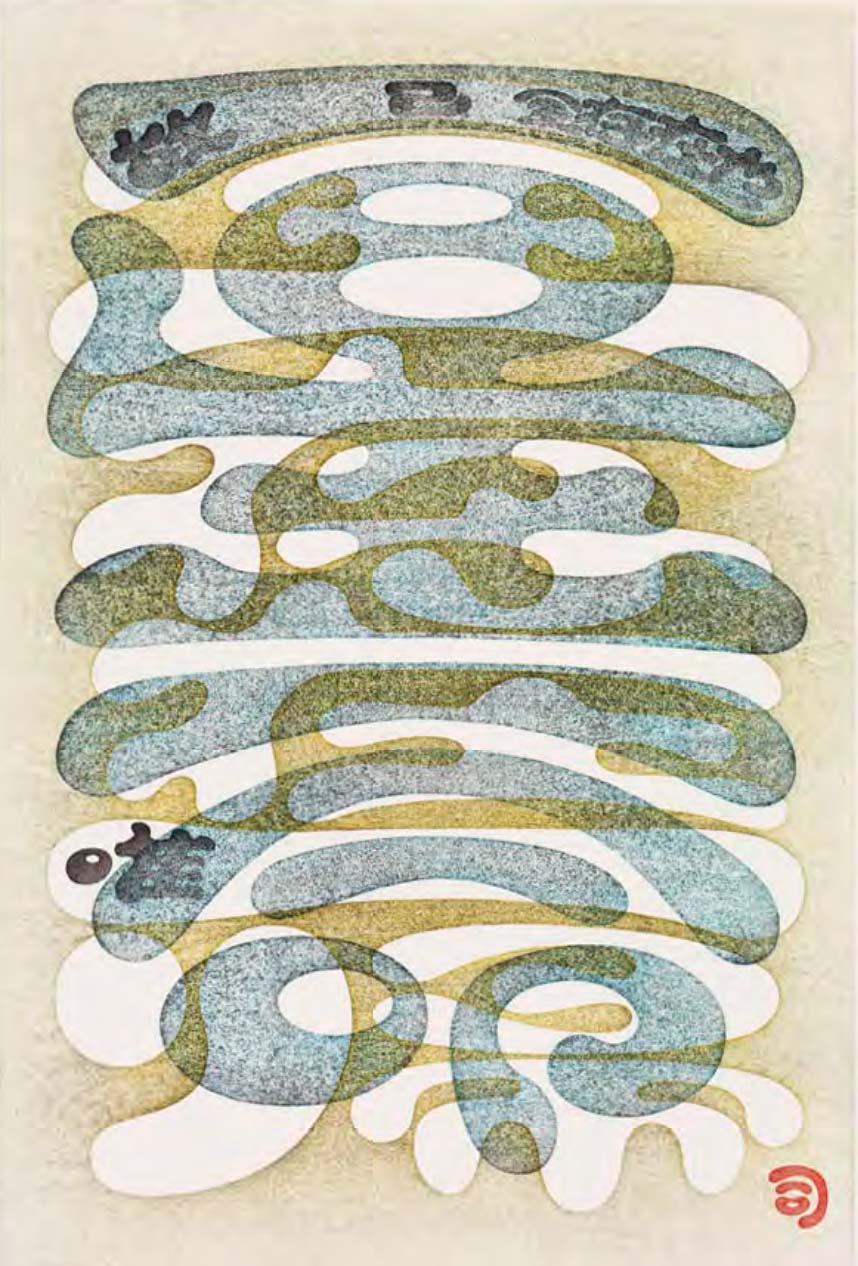
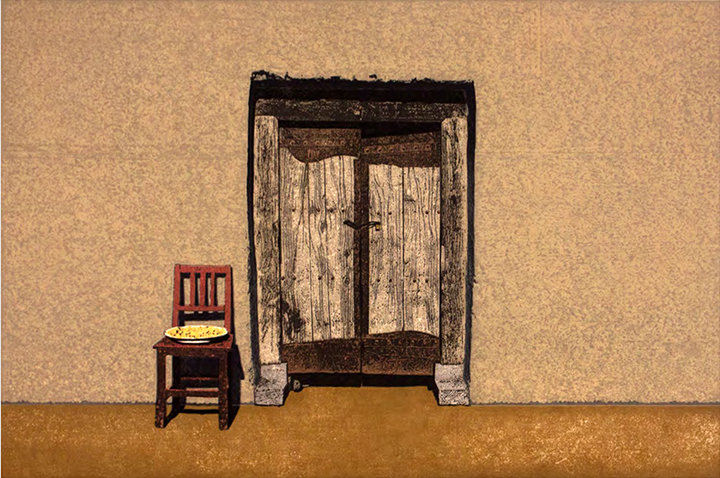
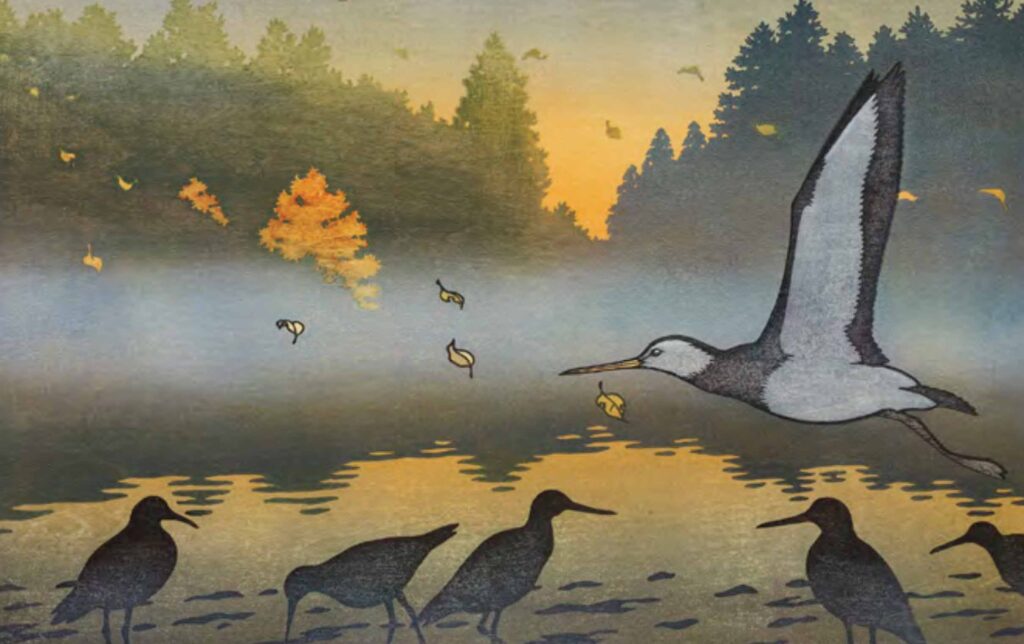
From the Meiji period (1868-1912) to the present day, the Yoshida family has carried forward a printmaking tradition rooted in the aesthetics of ukiyo-e, a genre of Japanese art that flourished during the Edo period (1603-1867) and that depicted transient pleasures and everyday life of the urban population. Beginning with work by the patriarch Hiroshi Yoshida (1876-1950), this exhibition samples the Yoshida family’s artistic re-imagining of ukiyo-e through modern and contemporary periods. The works on view from the Flaten Art Museum demonstrate technical mastery and an ongoing negotiation between past and present, tradition and innovation, place and personhood.
Thank you to our sponsors for their ongoing support of our global arts and interdisciplinary exhibitions and programming.



Plan
Your
Visit
The Frank Museum is located one block east of Uptown Westerville’s vibrant commercial district. Spend an afternoon visiting the museum’s current exhibition, browsing in Uptown’s locally owned shops, and relaxing in our excellent restaurants or coffee establishments. The Frank Museum staff are always available for tours.
Current Exhibitions
-

Paper Cosmologies
Hiromi Mizugai Moneyhun’s Floating WorldsFrank Museum of ArtJanuary 8 – April 23, 2026Paper Cosmologies draws on Florida-based Japanese artist Hiromi Mizugai Moneyhun’s (水貝 宏美) Ukiyo and Emergence series, which turn single sheets of washi paper into universes that refuse a frame. Through kirie (切り絵)—the ancient and painstaking Japanese art of paper cutting—Moneyhun realizes complex and fantastical worlds where female figures inherit the elegance of bijin-ga (美人画) beauty, even as they emerge, entangle, and transform into animals, architecture, and landscapes. The diaphanous, yet commanding and playful paper forms ask: “What if our ideas of separation are an illusion?”