
It has been two years since Otterbein announced the cofounding of the Coalition for the Common Good (CCG) with Antioch University.
The Coalition is a first-of-its-kind system of private, nonprofit universities that, through collaboration and integration, provide transformative education and lifelong learning. Together, Otterbein and Antioch are dedicated to promoting the common good, including democracy, social justice, equity, inclusion, and engaged citizenship. At its core, unlike other education systems, the CCG is built around a shared purpose: Education for a more just society.
The centerpiece of the Coalition is a shared graduate and adult learner program, which is operated by and as Antioch University. Otterbein graduate programs that had been offered only in central Ohio now have access to new markets associated with other CCG members, as well as the opportunity to bring existing Antioch programs, like the Doctor of Education and several master’s degree programs, to central Ohio learners.
So, two years in, what has been accomplished?
In response, the CCG created 19 Graduate Early Admission Pathways (GEAPs) that allow Otterbein undergraduates to take up to a semester of Antioch graduate coursework while still an Otterbein undergraduate, and at no additional cost, reducing the time and expense of earning a master’s degree. Nineteen Otterbein seniors are enrolled in a GEAP this fall. Most of the GEAPs are open to any student, regardless of undergraduate major. The GEAPs have proven to be very popular; in fact, 61% of the entering first-year class for fall 2025 indicated they were aware of the graduate pathways.
Did it work?Yes. In the two years since we announced the formation of the Coalition for the Common Good, the size of Otterbein’s entering first-year class has increased by more than 125 new students, a 25% increase. The Coalition has definitely helped Otterbein stand out in a crowded and competitive Ohio marketplace. And the appeal touches all student groups. Otterbein is up in high-ability students, in federal Pell grant (low-income) students, students from Ohio and out-of-state, and across the majority of our academic departments.
What has been the impact on Otterbein graduate programs? Most Otterbein graduate programs have transitioned to Antioch University, including the MBA, the M.S. in Allied Health, the M.S. in Athletic Training and the graduate Nursing programs. (Please note: the undergraduate Bachelor of Science in Nursing program at Otterbein is alive and well with over 100 first-year Nursing students starting this fall!) A number of Otterbein faculty have moved to Antioch to provide leadership for the transferred academic programs and to ensure continuity of the values that infused the Otterbein programs. Additionally, some Antioch faculty have taught at Otterbein to create meaningful relationships with the undergraduate students that might end up in their Antioch graduate programs. While the transition of programs took longer than planned, we have learned valuable lessons that will make future member transitions much smoother.
Otterbein graduate students, based on the number of graduate credits completed when the program transferred, were given the opportunity to either transfer to Antioch (and earn an Antioch degree) or to enroll at Antioch as a visiting student and transfer their final credits back to Otterbein to earn their Otterbein degree. The overwhelming majority of eligible students chose to earn their Otterbein degree.
What has been the impact on central Ohio? Several Antioch programs that did not have significant Ohio enrollment have seen success marketing in the central Ohio market. That success has been driven in part by Otterbein alumni, faculty, staff, and students who have taken advantage of the 15% discount they earn on Antioch tuition for being a member of the Otterbein community. Popular programs include the Antioch MBA and Management program, and two programs that will support critical needs in central Ohio: the Master of Arts in Clinical Mental Health Counseling and the Master of Arts in School Counseling.
The Coalition is making a difference in workforce and professional development in central Ohio as well. By capitalizing on the faculty expertise of both universities and the deep connections Otterbein has developed in the region, the Coalition is able to meet the needs of local employers — large and small — to develop the skills of their workforce. From professional development seminars to stackable credentials, and from adult degree completion to delivering advanced degrees, the Coalition can meet the needs of any organization and their employees.
Meet GEAP Students

“The transition to graduate coursework has been good. It’s building on what I already know. I’m noticing I’m spending less time in class and more time reading. Antioch has this down to a science and the professors make themselves very accessible. Plus, it’s been fun getting to work with students from all over the country. This program has been a good fit for me. I appreciate Antioch’s philosophical and ethical commitment to counseling. I really appreciate that if I decide to move, I can still attend my program.”
Isabel Elliot ’25
Psychology and Women’s, Gender, and Sexuality Studies double major at Otterbein;
Enrolled in the Clinical Mental Health Counseling GEAP
“During my time at Otterbein, I had to balance academics, work, leadership, and personal growth, all while being a full-time student and a mother. One of my proudest achievements is my commitment to academic excellence. My coursework challenged me to think critically, and I am proud of my academic achievements, which have prepared me for future opportunities — including my plans to pursue an MBA at Antioch University.”
Jeanette Dut ’25
Business Administration and Management major at Otterbein;
Enrolled in the MBA GEAP

These partners have signed Memorandums of Understanding (MOUs) to provide professional and workforce development for their associates.









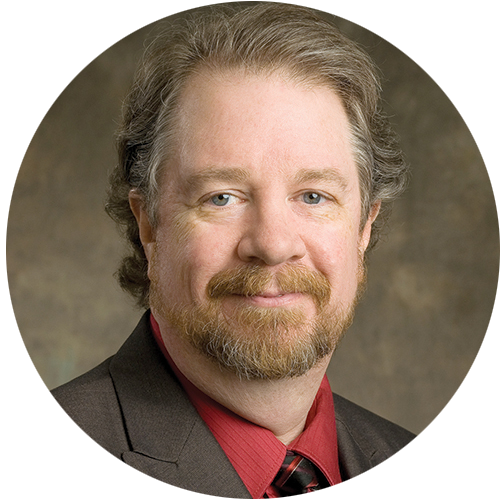
Jefferson Blackburn-Smith is the Executive Vice President for Strategic Initiatives, Otterbein University, and Vice President for Communications, Coalition for the Common Good. He has developed and implemented new partnerships with Central Ohio school districts and community colleges to create new opportunities to underserved populations to earn a higher education degree.