There are not many university leaders who are willing to talk about the problems in American higher education, and even fewer willing to do something about it. On July 14, two leaders took the first step in doing the work of fixing a broken system, with a focus on contributing to society as a whole.
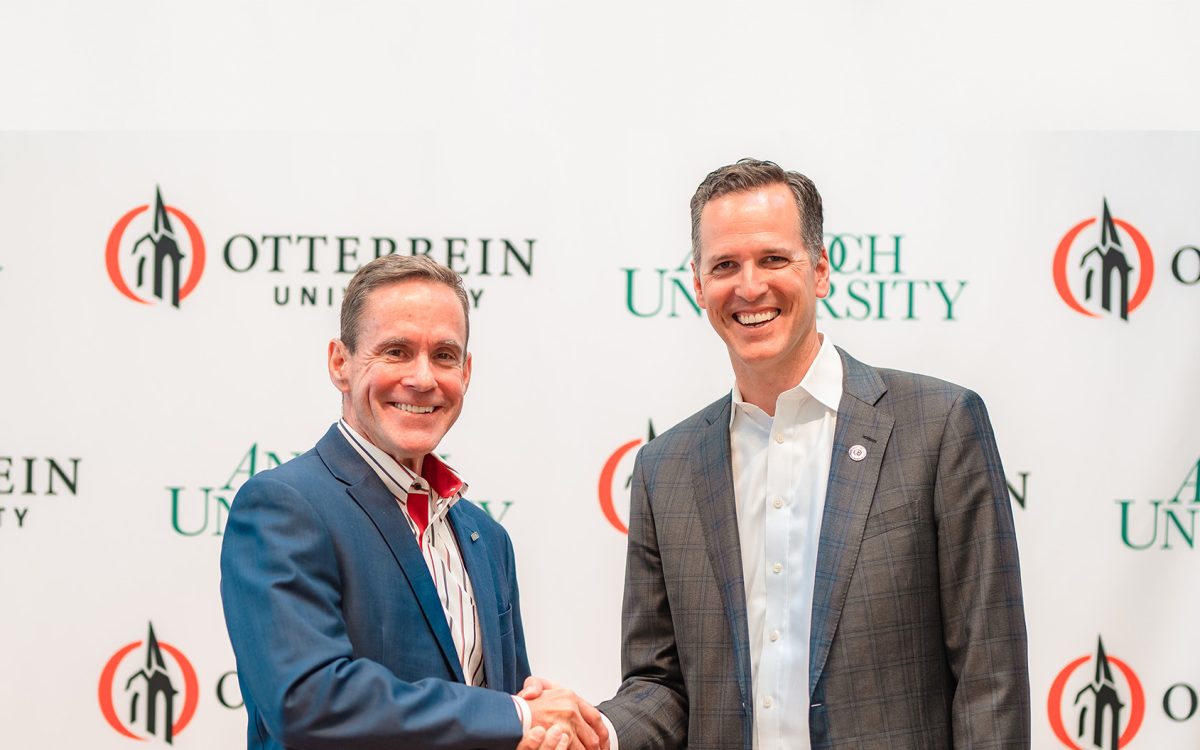
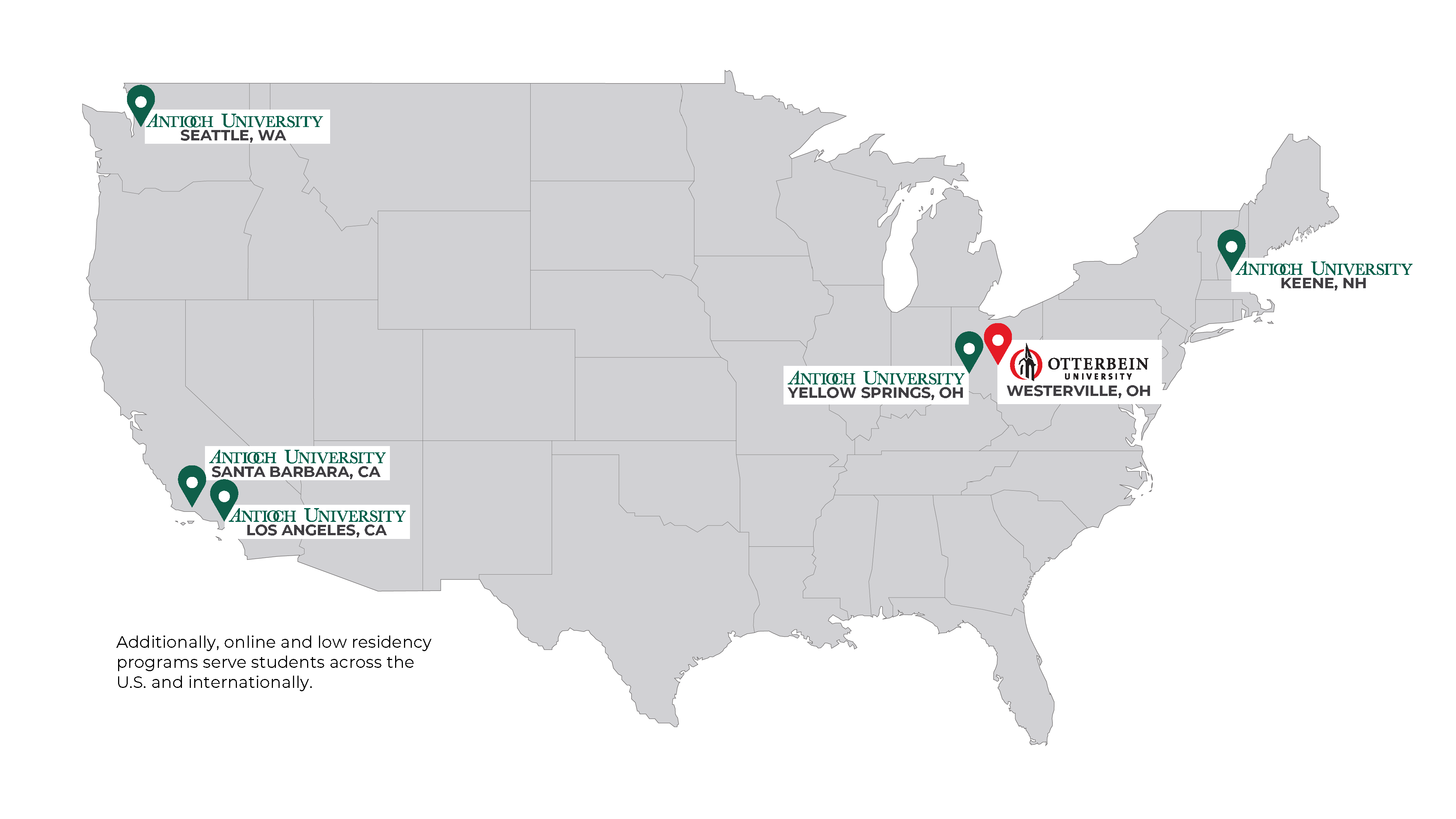
Otterbein University President John Comerford and Antioch University Chancellor Bill Groves, at an event livestreamed to both campuses, announced that the two universities were partnering with the intention to form a first-of-its-kind system of affiliated, independent, not-for-profit universities focused on shared graduate and adult learner programs.
The foundation of the system, and the calling card for future member universities, is the universities’ shared missions of providing access to an affordable, world-class education, while educating students to become engaged citizens advancing democracy; social, racial, and environmental justice; and the common good.
One advantage of the new system is that members will keep their distinctive undergraduate programs, branding, athletics, and student organizations. “Otterbein will always remain a residential undergraduate university built around meaningful faculty-student engagement and relationships,” Comerford said. “But given ongoing demographic trends, with decreasing numbers of high school graduates nationally for the next 15 years at a minimum, focusing only on undergraduates is not a sustainable path.”
Comerford noted that in Ohio alone more than two million adults have some college credit, but no degree.
“The system will additionally offer tailored workforce education programs with badges, certificates and other credentials to learners and business partners nationwide,” stated Comerford. “These workforce education programs not only help to keep and generate jobs in our local communities, they are important on-ramps for adult learners to pursue higher education and advanced credentials. Moreover, because the programs will be tailored to meet the specific needs of the employer, those businesses will ordinarily share in the cost of that education, improving access and affordability of higher education.”
Comerford laments the growing competition within higher education, driven by universities striving for prestige and rankings. “One of the most terrible aspects of our current model is that rather than judging universities by how they change the lives of the students they enroll, most rankings value how difficult it is for students to be admitted,” said Comerford. “The ‘most prestigious’ universities in the nation tend to admit a tiny percentage of the students who apply. Really? That’s how we share this incredible, life-changing resource, by closing the door on deserving students?”



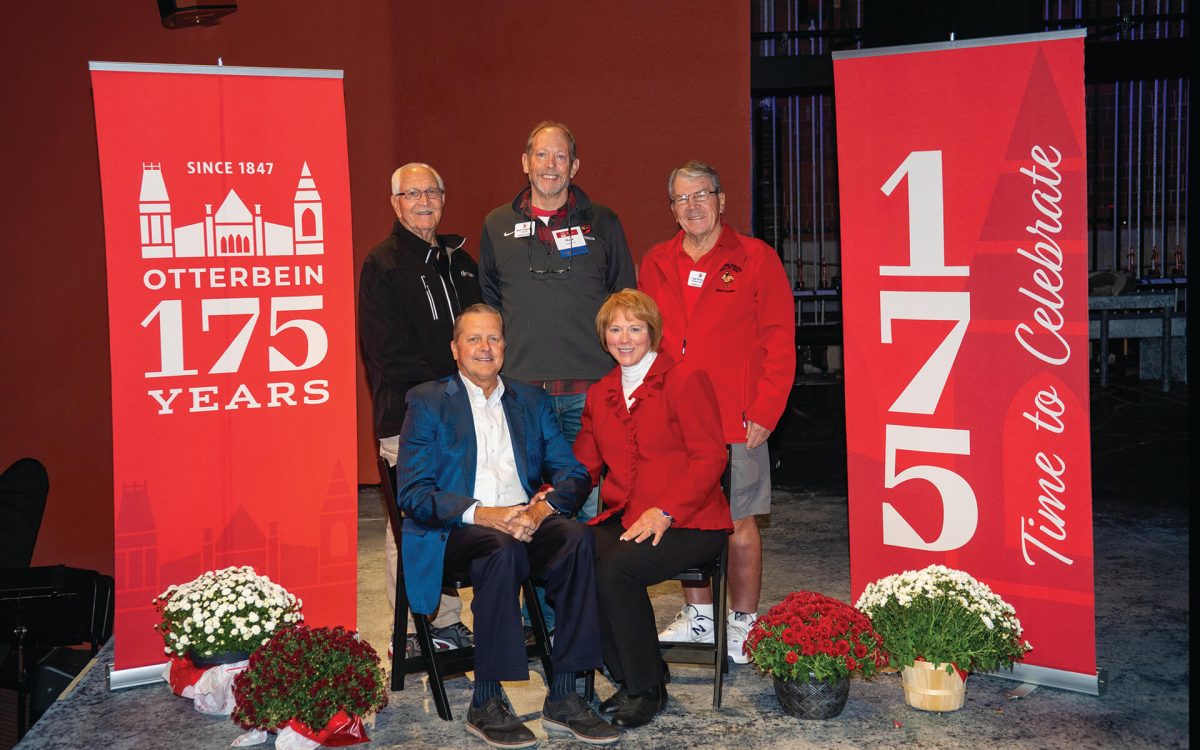
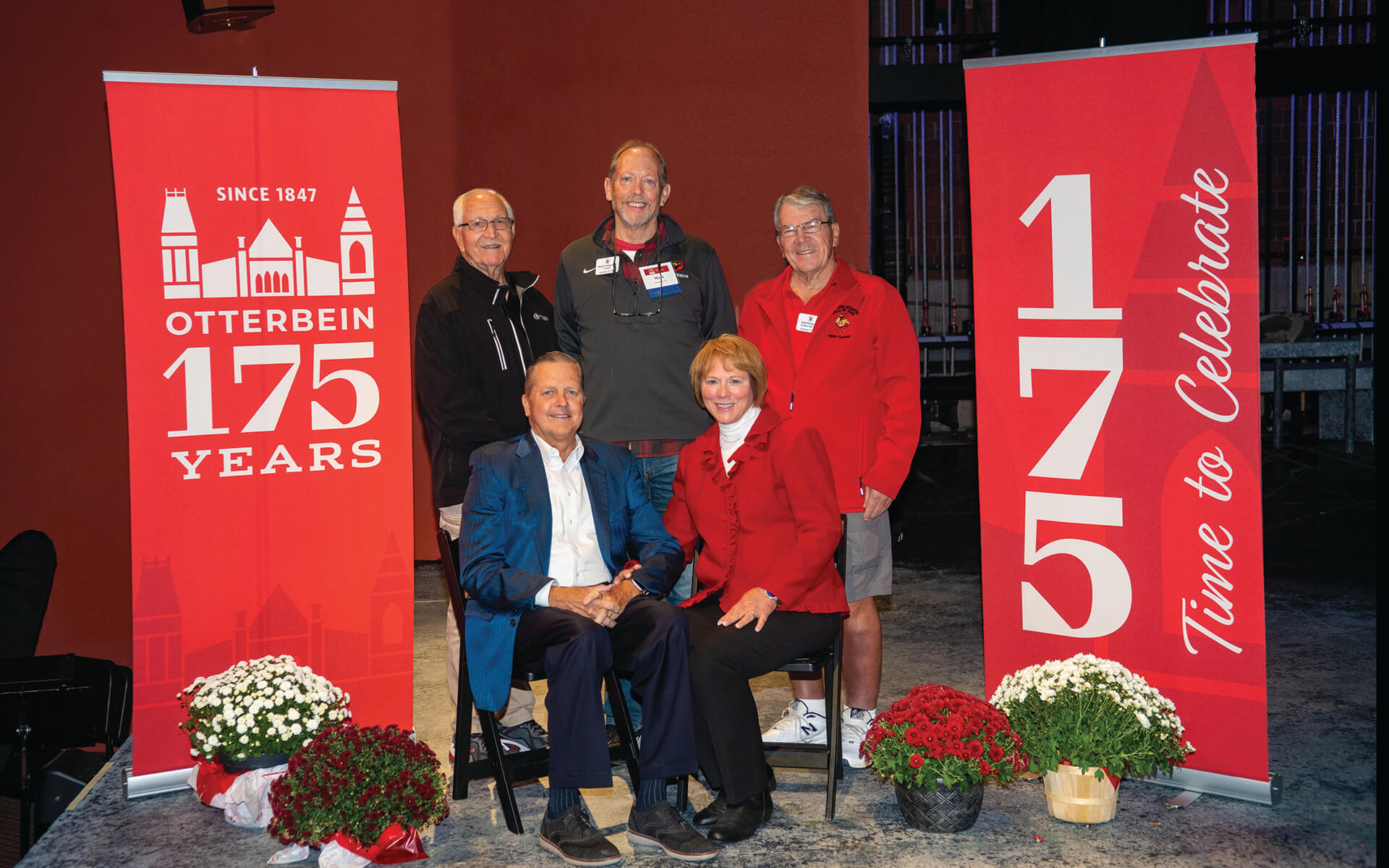
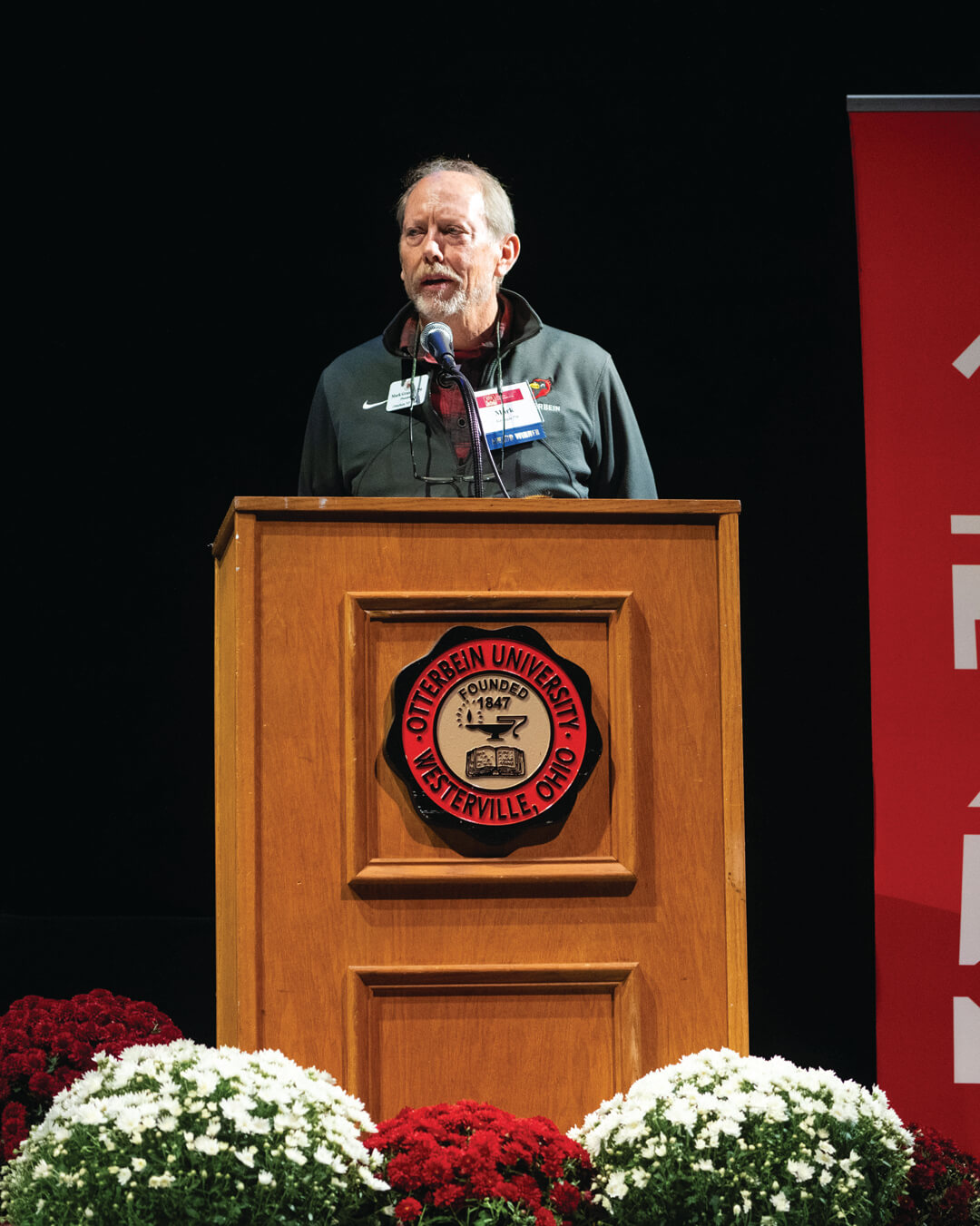
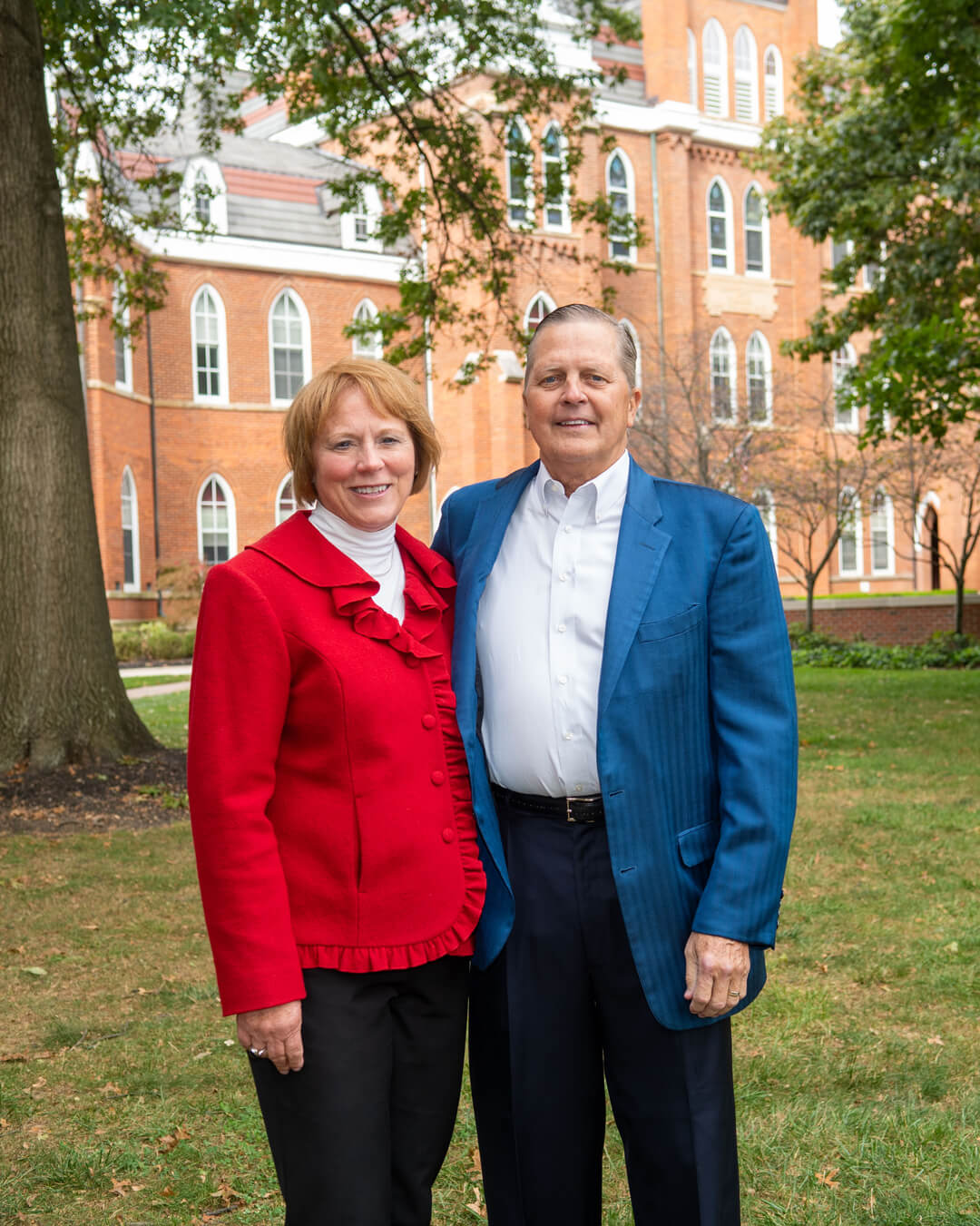 Former Board of Trustees Chair Mark Thresher ’78 P’05 and his wife, Deb Scott ’77 Thresher P’05, met at an Otterbein football game in the fall of 1975 when Mark was a sophomore and Deb was a junior. The two began dating shortly thereafter and Deb, a music education major, selected Mark, an accounting major, as her escort when she was elected Homecoming Queen in 1976. Deb was a member of Epsilon Kappa Tau sorority and participated in choir and band while at Otterbein. Mark played basketball and was a member of Torch and Key and Tau Pi Phi honoraries. They married four months after Mark’s graduation in 1978.
 Established in 1955, the



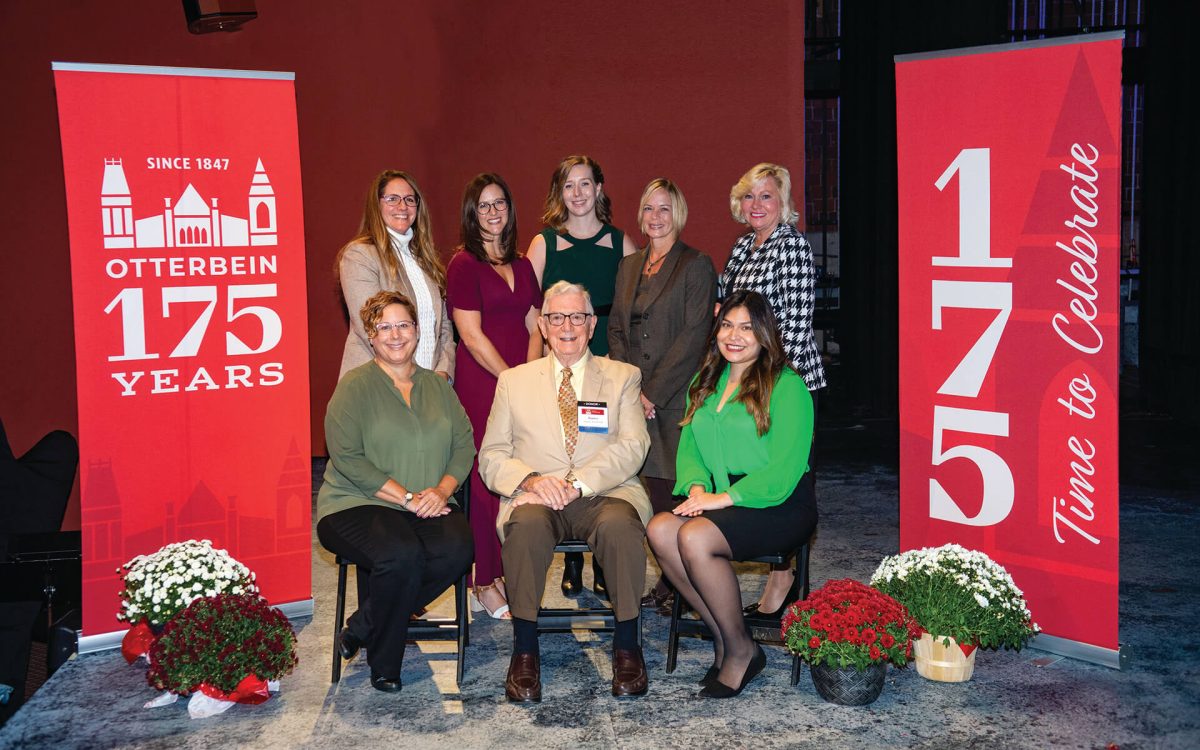
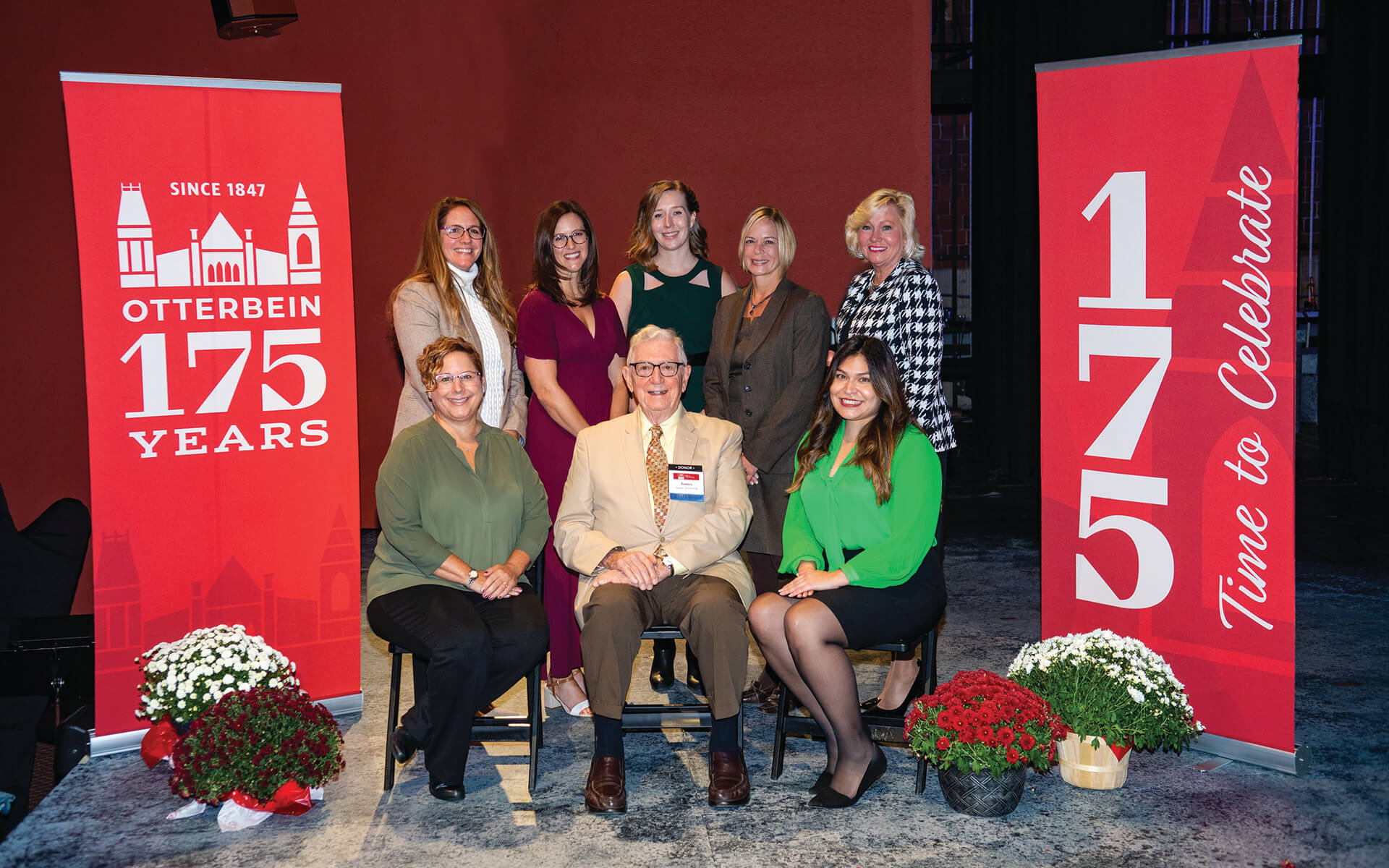
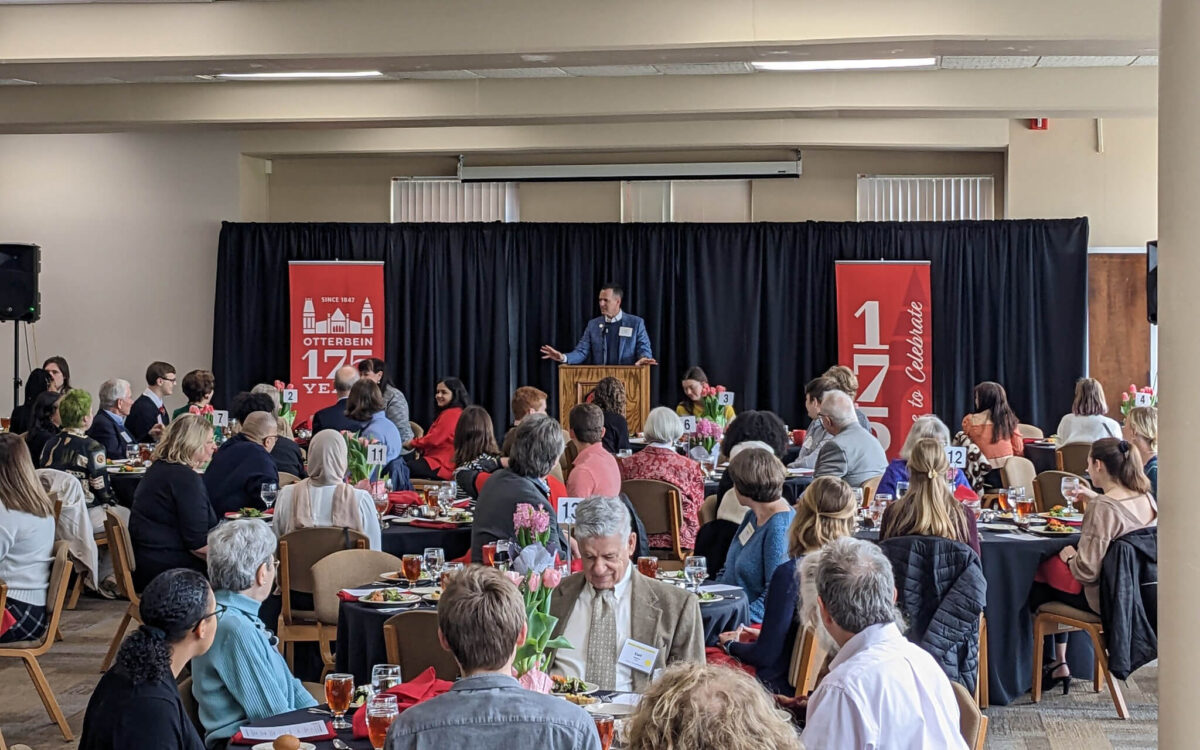
 Otterbein’s 1847 Society recognizes individuals and couples who have established a planned gift to the University. During Otterbein’s 175th anniversary year, planned gifts are a meaningful way to ensure your legacy and commemorate this historic milestone. Planned gifts, at their core, are one of the best ways you can “pay it forward” to make an impact for future students and ensure that Otterbein remains a leader in higher education.