Biology & Earth Science Office Information
Department Chair: Dr. David C. Sheridan
Location: Science Center 236, 155 W. Main St.
Hours: Monday – Friday (8:30 a.m. – 5:00 p.m.)
Faculty
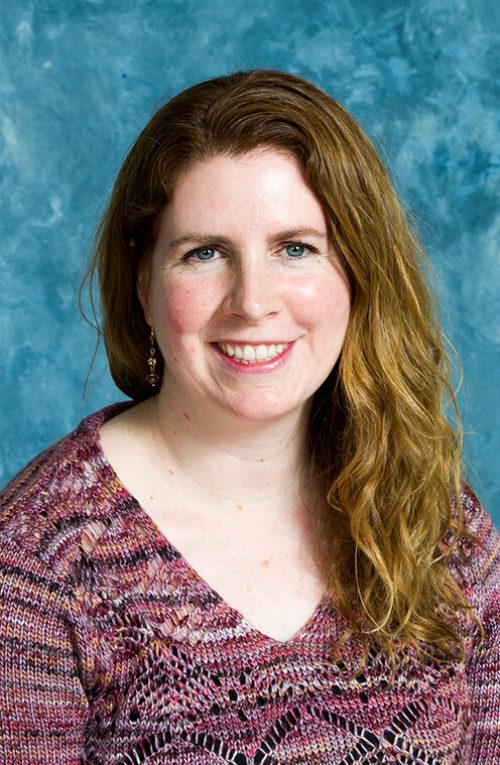

Sarah Bouchard
Professor
Dr. Bouchard is a physiological ecologist who specializes in reptile and amphibian nutrition. She has a very active research lab, with undergraduates conducting projects both in Ohio and Panama. Her most recent students have examined developmental plasticity in amphibians pre- and post-metamorphosis. Dr. Bouchard teaches Ecology and Vertebrate Biology, as well as Gender and Biology for the Women’s, Gender and Sexuality Studies Program. She is also an active part of Zoo and Conservation Science program.
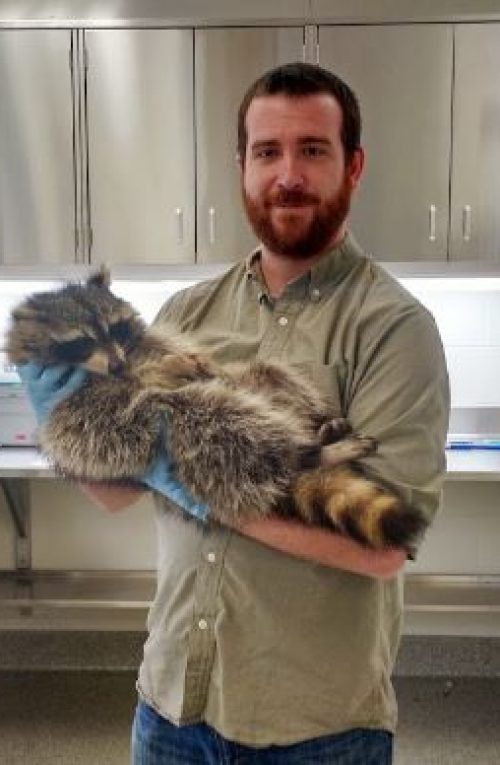
Andrew Calinger-Yoak
Associate Professor
Dr. Calinger-Yoak earned a Ph.D. from The Ohio State University in 2015 which focused on management strategies in wildlife populations. He uses veterinary, ecological, and computer modeling focused strategies to tackle complex problems. Through his experiences with agent-based modeling, he helped to create open-source projects that span the fields of veterinary medicine, ecology, mathematics, anthropology, and economics. In addition to academic research, he has taught many courses ranging from Introductory Biology to Human and Animal Physiology.

Ann Feke
Assistant Professor
Dr. Feke is a molecular biologist interested in broad questions about how and why plants tell the time. Plants, like animals, use an endogenous timekeeping mechanism known as a circadian clock, which allows them to coordinate responses to the appropriate time of day. By intersecting this knowledge of time with day/night cues, plants are also able to interpret seasons, and enact appropriate seasonal responses. Despite posited pressures to maintain rhythms of 24 hours, plants exhibit a wide range of variability…
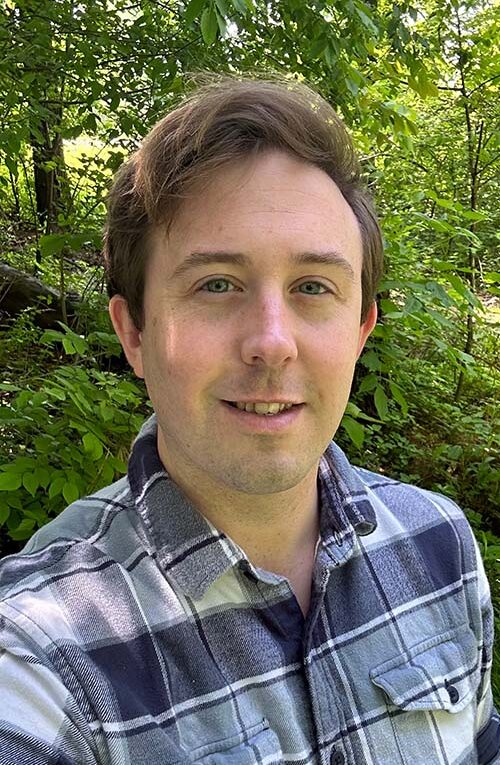
Bennett Grooms
Assistant Professor
Dr. Grooms is broadly trained as a zoologist and wildlife biologist, whose interests range from conservation social science, animal behavior, science communication, and pedagogy. He uses mixed methods approaches, intensive collaborations, and interdisciplinary work to improve future conservation efforts for birds, insects, and other taxa, explore how human and animal behavior impact conservation, and to develop effective strategies to engage and communicate with the public about wildlife. Dr. Grooms joined the Zoo and Conservation Science Program in 2022 after earning his Ph.D. at Virginia Tech, where his research explored how to work with and engage wildlife recreationists (e.g., birders, wildlife viewers,…
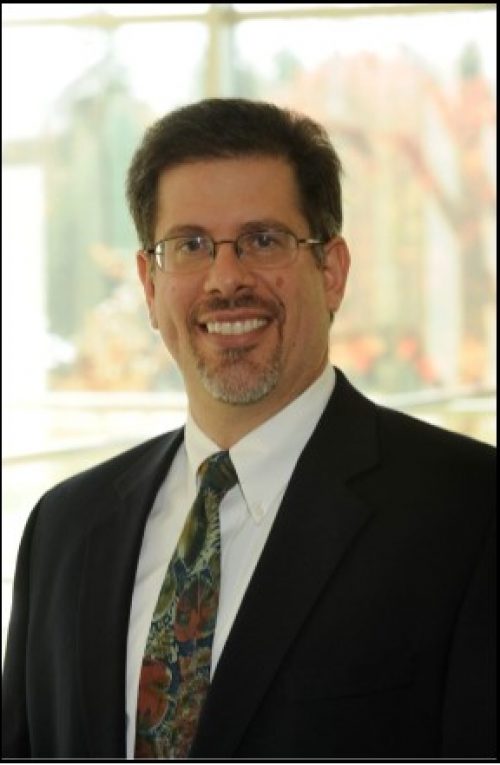
Jeffrey S. Lehman
Professor
Dr. Lehman is a broadly trained plant biologist with interests in host-plant interactions, plant toxicity, tropical and temperate agriculture, and the evolution of cultivated and natural plants. He teaches courses in genetics, plant diversity, plant physiology, dendrology, and tropical ecology/agriculture. Dr. Lehman’s research addresses: 1) the interactions between plants and their pathogens, 2) the toxicity of leaf extracts of Acer species to horses, and 3) the evolution of dioecy. Dr. Lehman also directs service-learning projects (e.g., semi-annual plant sale) and…
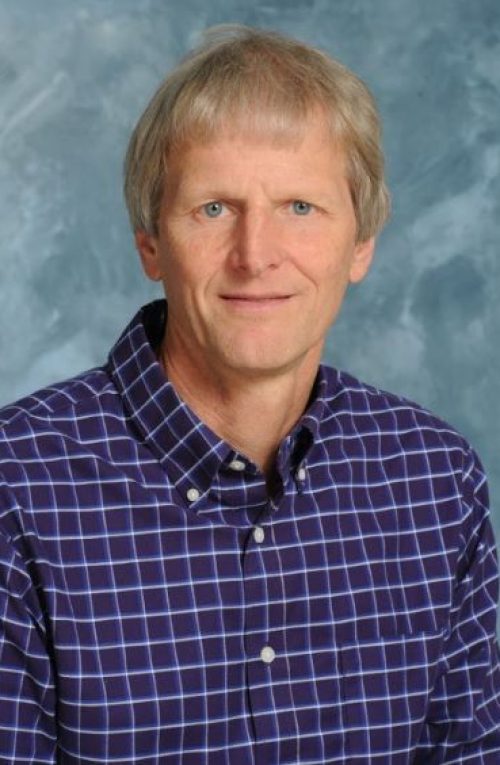
Halard L. Lescinsky
Professor
Dr. Halard Lescinsky is a coral reef ecologist, paleontologist, and field geologist. He directs the Aquarium track within the Zoo and Conservation Science Program, and leads travel courses to Belize (coral reefs and rainforest) and to the desert southwest (field geology). He teaches a variety of courses including coral reef ecology, evolution, historical geology, marine science, and field geology. His research explores coral reefs and how their recent geologic record and fossils can help us understand reef processes and how…
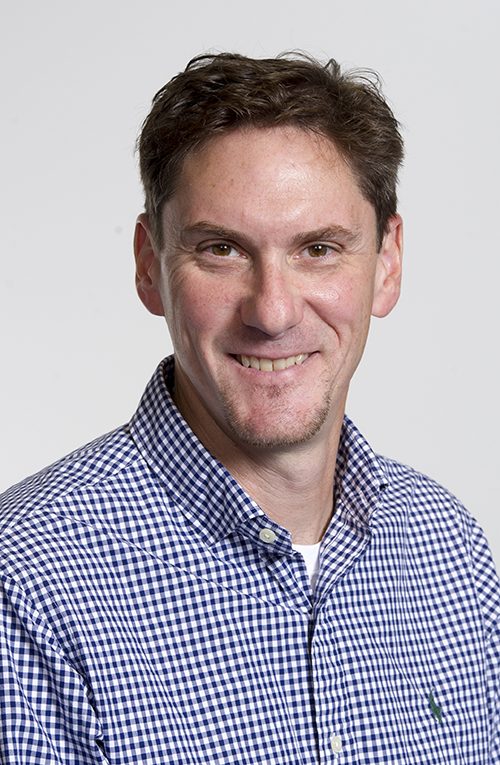
David C. Sheridan
Associate Professor & Department Chair
At Otterbein University, Dr. Sheridan teaches courses in human and animal anatomy & physiology. He is a broadly-trained physiologist with particular interests in sensory systems neuroscience and integrative physiology. His current research focuses on 1) reaction times to different stimulus modalities and 2) changes in physiological parameters before, during, and recovering from exercise.
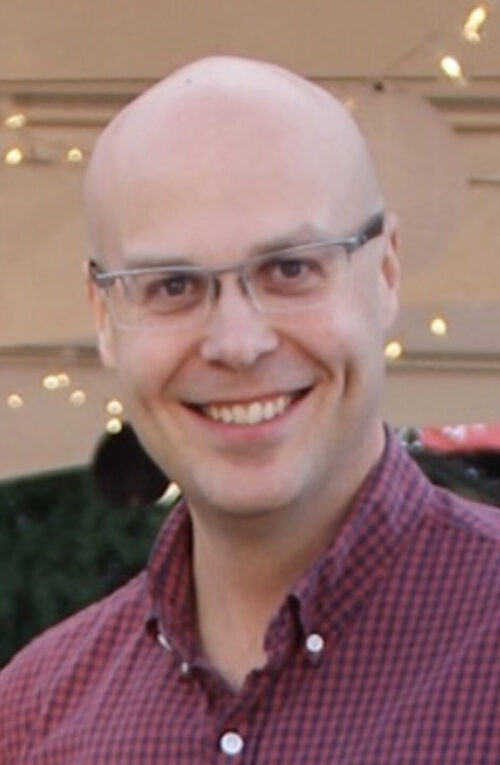
Brandon Sinn
Associate Professor & Director of the Biochemistry and Molecular Biology (BMB) Program
Dr. Sinn is a botanist whose research leverages molecular genetics to answer questions central to our understanding of the diversification of lineages and their evolutionary relationships, the transfer of genetic material between distantly related organisms, population genetics, and genome evolution. Dr. Sinn joined the department in 2019 after serving as a Postdoctoral Fellow in the Barrett Lab at West Virginia University where his work focused on population genetics, comparative genomics, and ecological niche modeling. He also served as a Postdoctoral…
Staff
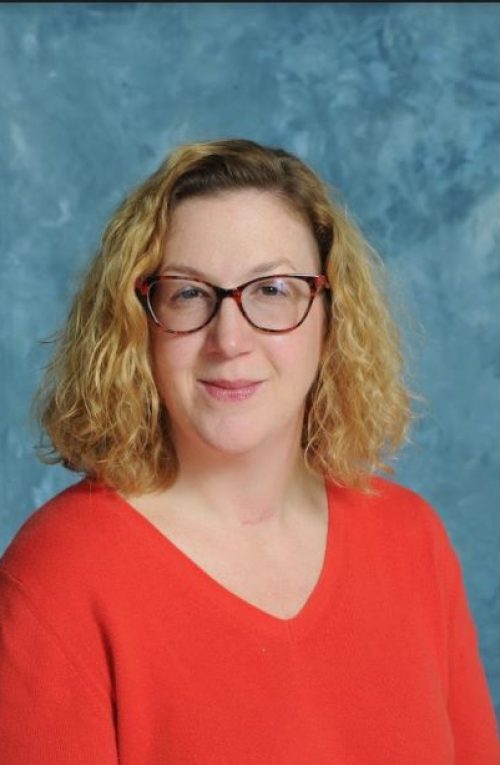
Erin Ulrich
Lab Coordinator
Erin helps keep laboratory courses in Biology and Earth Science running smoothly. She works closely with the instructors to have the solutions, equipment, supplies, and organisms ready for action before the students arrive in their classroom. She assists the research projects by managing the departmental stockroom and overseeing scientific materials purchases. Her research experience includes laboratory work mapping human muscular disorders, technical work sequencing loblolly pine EST’s, and doctoral research using AFLP’s to analyze the population structure of a medicinal…