Beyond self-help: Professor Noam Shpancer releases book on skills behind psychological health with “Mental Fitness 101”
Posted Apr 23, 2026
By Drakko Harper ’26
Imagine an ideal version of yourself. Usually, the first image that comes to mind is an external marker of success: a stable career, a comfortable home, and strong relationships, all accomplished with ease. Far less do we imagine how this ideal person thinks or how they learned the skills for long-term mental health by confronting fear, uncertainty, and disappointment without collapsing under them.
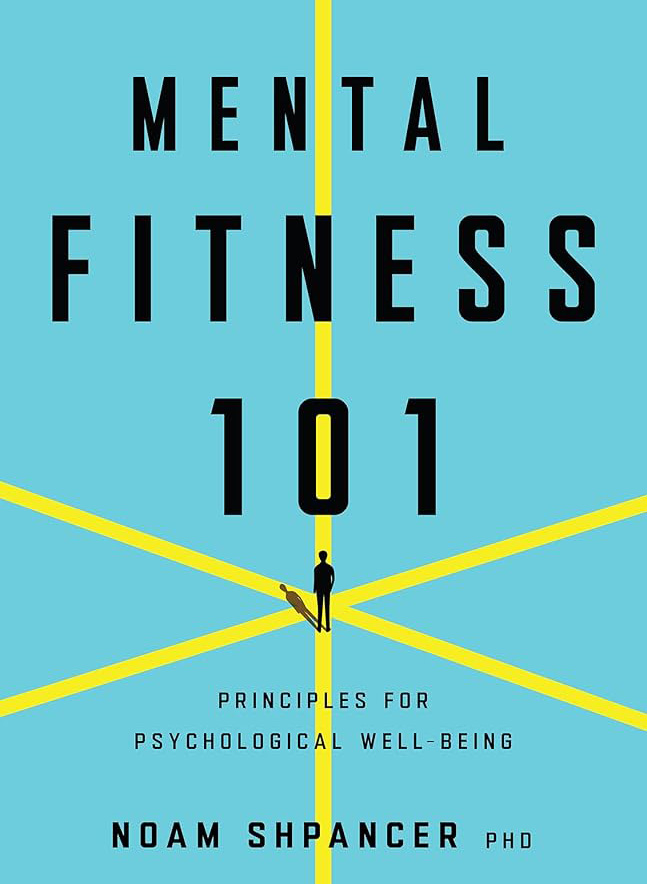
This kind of internal progress is exactly what psychologist Noam Shpancer explores in his recently released book, “Mental Fitness 101.”
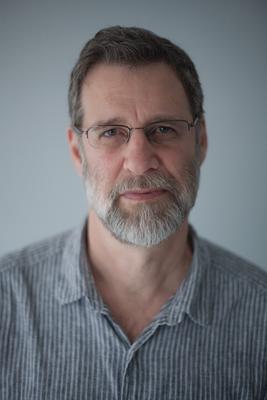
Shpancer, a professor of psychology with decades of experience teaching, writing, and working in private practice, describes mental health not as a destination but as an ongoing process. The book evolved from reflections he began shaping during the COVID-19 pandemic, building on essays he had written for Psychology Today and conversations with students and clients.
Rather than following traditional self-help books that focus narrowly on a single disorder or practice, “Mental Fitness 101” outlines 10 principles of psychological health. Topics range from managing emotions and distorted thinking to navigating relationships and reflecting on mortality.
Shpancer argues that mental fitness functions similarly to physical fitness. It can be trained, strengthened, and maintained through practice.
“I hoped to create a book that would reach anyone interested in mental health and well-being, learning to think, or hearing interesting stories about students, clients, and professionals,” Shpancer said. “This was an ambition project to talk about mental health beyond one specific diagnosis and get into the whole terrain of mental health in a way that’s both deep enough to be interesting and broad enough to be useful.”
One theme that appears as a major barrier to psychological health is avoidance. Avoidance offers immediate relief, Shpancer writes, whether through procrastination, emotional suppression, or distraction. It may seem effective momentarily, but over time, it can reinforce negative patterns and create a self-fulfilling cycle.
“Much psychological pain is rooted in attempts to avoid discomfort. In the short-term, this can be effective.” Shpancer said. “But over time, it narrows a person’s ability to live life. Eventually, you have to deal with the problem of what this pattern allows you to avoid.”
Instead of escaping, Shpancer advocates for engagement. This approach encourages people to gradually confront their fears. Drawing on research behind exposure therapy and skill-building, he emphasizes that experience can transform cognitive distortions such as all-or-nothing thinking, overgeneralization, and emotional reasoning into competence and resilience.
“Having to tolerate short-term discomfort is the price of living well long-term,” Shpancer said.
Engaging is only one part of overcoming the struggle with thoughts and emotions. He argues that we must strike a balance between denial and overwhelm. Learning to pause, examine automatic thoughts, and generate alternative interpretations can reduce emotional suffering and anxiety.
“We tend to treat our thoughts as facts,” he said. “But they are hypotheses.”
Research consistently links denial and emotional avoidance to long-term psychological problems. Emotional acceptance involves acknowledging reality even when we do not approve of it. In doing so, people can avoid being ruled by their circumstances. The goal is not blind positivity but accuracy and flexibility in thinking.
Shpancer argues that we ultimately serve two core needs: autonomy and connectedness. Mental health depends on the ability to stand by our own values while remaining meaningfully engaged with others. Even reflecting on mortality, he writes, can help clarify priorities and deepen appreciation for life.
For readers searching for a single takeaway, Shpancer offers a simple but demanding practice: strive to “fool yourself less.”
Health, in Shpancer’s view, is not the absence of struggle. It is the capacity to bend to life without breaking, to think clearly under pressure, and to continue growing. Like physical training, it requires repetition and effort. Over time, those skills are compounded.
“Mental Fitness 101,” released March 2, is now available in bookstores and online for readers interested in exploring the science and stories behind building lasting psychological health.