New Veterinary Mentoring Program Expands Ties Between Otterbein and Ohio State
Posted Jul 09, 2026
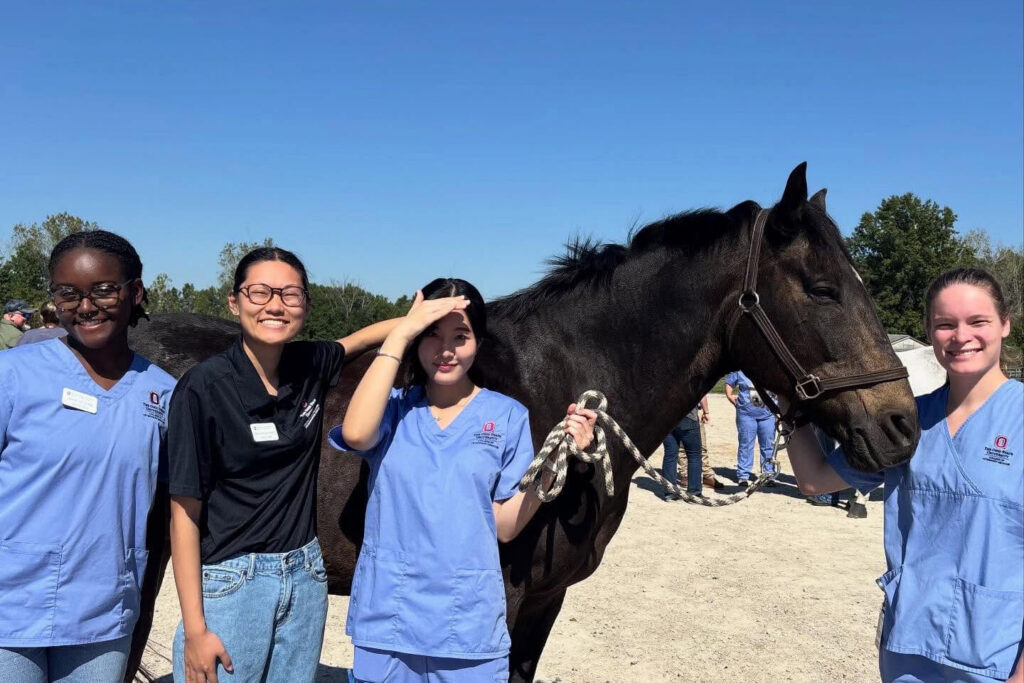
Otterbein University’s Department of Equine Science will be expanding its partnership with The Ohio State University College of Veterinary Medicine through the new Large Animal Rural Veterinary Mentoring Program (LARVMP).
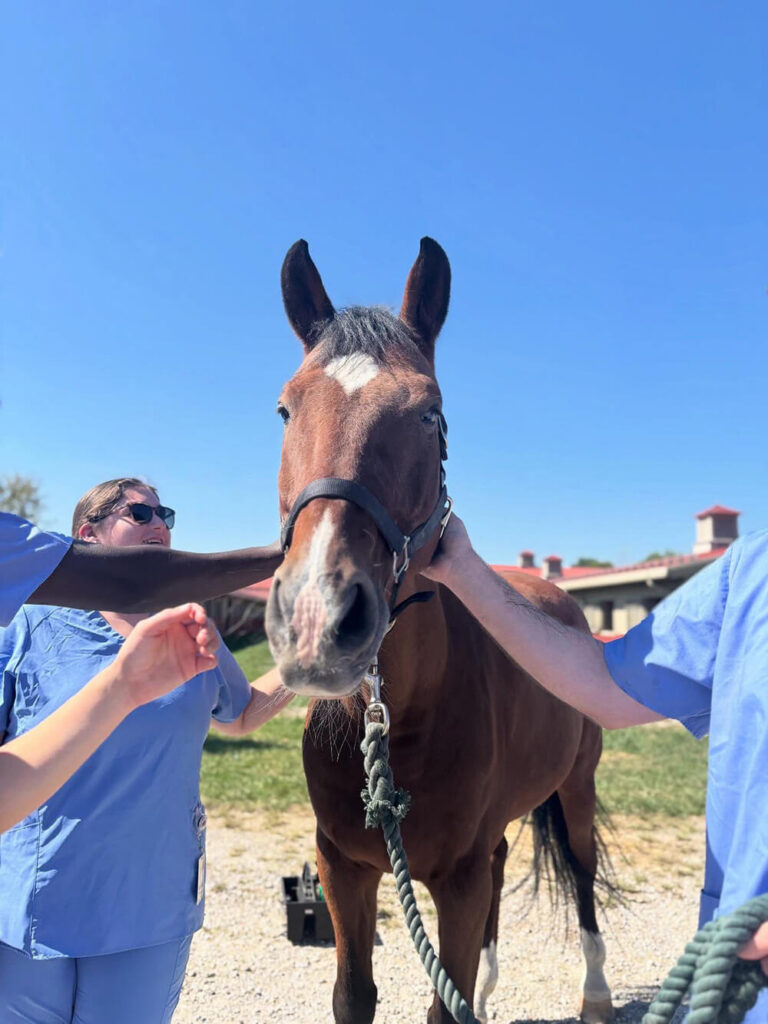
This program is part of Ohio State’s Protect One Health in Ohio (Protect OHIO) initiative, a statewide effort grounded in a One Health framework that integrates animal, human, and environmental health while strengthening the rural veterinary workforce. Qualified undergraduate students will benefit from mentorship and guidance that will prepare them for large animal rural practice, with the goal of developing a strong pipeline of future veterinarians dedicated to serving underserved agricultural regions in Ohio.
“Experiential learning is an integral part of an Otterbein education, and this partnership is a perfect opportunity for our Equine Pre-Veterinary majors,” said Otterbein President John Comerford. “Many of our graduates already go on to earn their Doctor of Veterinary Medicine at The Ohio State University, but formalizing this mentorship program will make them better prepared for veterinary school and, ultimately, better prepared to serve their communities as veterinarians.”
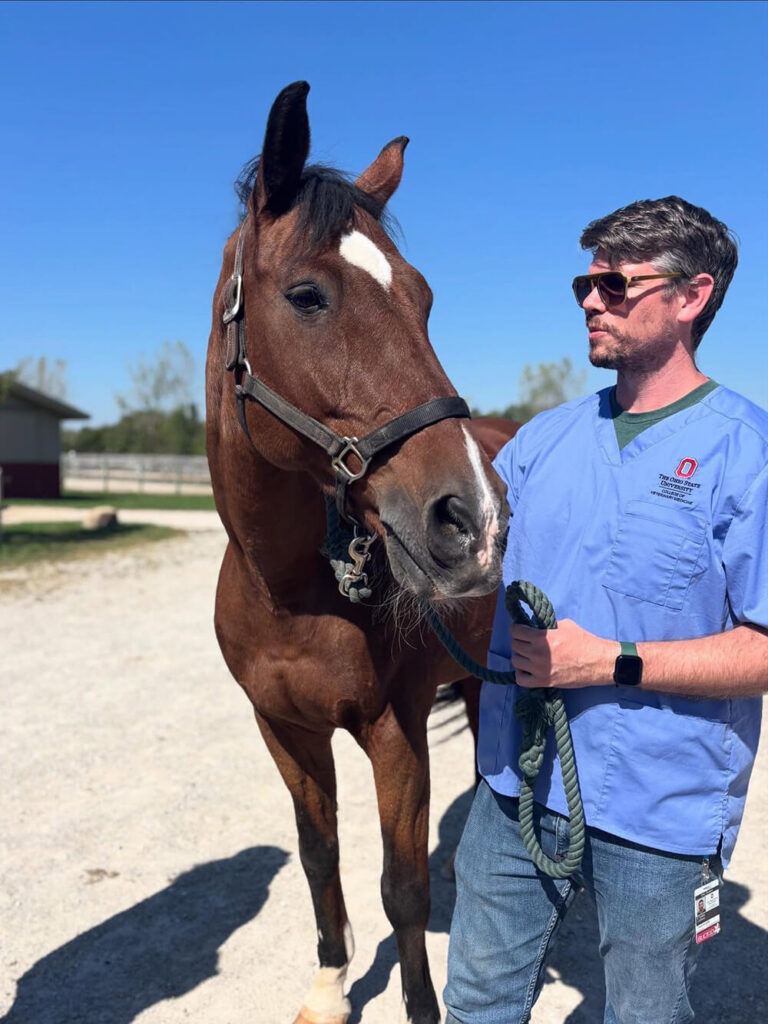
Beginning in spring 2027, sophomore Equine Pre-Veterinary Medicine/Pre-Graduate Studies majors at Otterbein who have shown an interest in becoming food animal or equine veterinarians in rural communities will be invited individually to apply for the LARVMP. Program participants will be selected by their Otterbein faculty based on a holistic review, including GPA, personal statement, interest, experience, professionalism, and skills.
“Students may apply for the mentorship program within their second year as an Equine Pre-Veterinary Medicine/Pre-Graduate Studies major, as their understanding of anatomy, physiology, pathophysiology, diagnostic procedures, and therapies will exponentially increase throughout that year. The coursework will allow them to maximize their experiences gained throughout the mentorship program as a knowledgeable, active participant in externships, internships, and interactions with current veterinary student alumni and industry professionals,” said Sheri Birmingham, DVM, chair of Otterbein’s Department of Equine Science.
Students in the program will receive structured guidance and coaching throughout their undergraduate studies, including internships, advising, networking with Otterbein alumni currently in veterinary school, and resume and application development that will prepare them for acceptance into veterinary school.
“We’re pleased to formalize this partnership with Otterbein University, which aligns closely with our Protect OHIO initiative and our commitment to strengthening large animal and equine rural veterinary medicine across the state,” said Rustin Moore, DVM, PhD, Rita Jean Wolf Endowed Dean at The Ohio State University College of Veterinary Medicine. “By expanding the Large Animal Rural Veterinary Mentoring Program to include Otterbein students, we can grow a strong pipeline of qualified candidates who receive the guidance and opportunities needed to strengthen their preparation for veterinary education while maintaining a focus on rural large-animal practice.
According to Birmingham, a graduate of Ohio State’s College of Veterinary Medicine, the partnership expands existing ties between the two universities.
“Otterbein and The Ohio State University College of Veterinary Medicine have been working in partnership to develop future veterinary professionals for as long as I can remember. Even when I was an undergraduate student at Otterbein in the ’90s, Dr. Maria Calderone, our former veterinary professor and department chair, facilitated shadowing opportunities, collaborative student research, and tours with Ohio State. Over the past 10 years, that partnership has become more intentional and formalized with the hosting of the college’s equine handling lab at Otterbein’s Austin E. Knowlton Center for Equine Science. Now, with the development of the mentorship program, we are expanding those connections even further for our Equine Pre-Veterinary majors,” she said.
The long-standing collaboration between the two institutions has provided meaningful clinical and experiential learning opportunities for both undergraduate and veterinary students.
“Our partnership with Otterbein is deeply integrated in how we train both undergraduate and DVM students,” said Teresa Burns, DVM, PhD, DACVIM, professor and Bud and Marilyn Jenne Designated Professor in Equine Clinical Sciences and Research. “Ohio State veterinary students gain hands-on experience in equine handling and physical examination at Otterbein’s facilities, while Otterbein students benefit from wet labs and shadowing at the College of Veterinary Medicine that reinforce their interest in equine practice. As a result, Otterbein graduates arrive exceptionally well prepared for veterinary school, and this agreement strengthens a proven pathway for students pursuing equine veterinary careers.”
With 52 horses on-site, Otterbein’s Equine Pre-Veterinary Medicine/Pre-Graduate Studies major actively prepares students for veterinary school while giving them the unique advantage of direct experience working with horses daily, which builds confidence, strengthens practical skills, and produces graduates who stand out as horse-experienced veterinary candidates.
Practical experience with large animals is difficult to attain for many undergraduate students preparing to apply to veterinary school, due to lack of access and increasing urbanization around many universities. Otterbein’s Austin E. Knowlton Center for Equine Science is uniquely located on approximately 70 acres in the heart of a Westerville residential community, only two miles from the main Otterbein campus.
In addition to completing all requirements for veterinary or graduate school admission, Otterbein’s students dive deeper into equine science. They study the horse system by system, moving from anatomy and physiology to diseases and disorders. At each stage, they practice applying diagnostic tools, evaluating treatment options, and considering both prognosis and prevention. This step-by-step approach not only reinforces scientific knowledge but also trains students to think critically, much like practicing veterinarians.