Unearthing History: Alumnus Efforts to Bring New Life to Olde Methodist Cemetery
Posted Nov 06, 2025
By Kennedy Berry ’27
Tucked behind Otterbein University’s campus on Lincoln Street resides the Olde Methodist Cemetery, which dates back to 1849. To most people in Westerville, it is an unfamiliar place, but to Don Foster, it has become part of his life’s work.
Foster first learned about the cemetery in 1969 when he was a freshman at Otterbein, living in Scott Hall, the residence hall next door to the cemetery. Back then, he said, he never thought much about the small, secluded burial ground. Years later, after retiring from his role as Otterbein’s registrar, he began researching local history and found himself drawn back to the site.
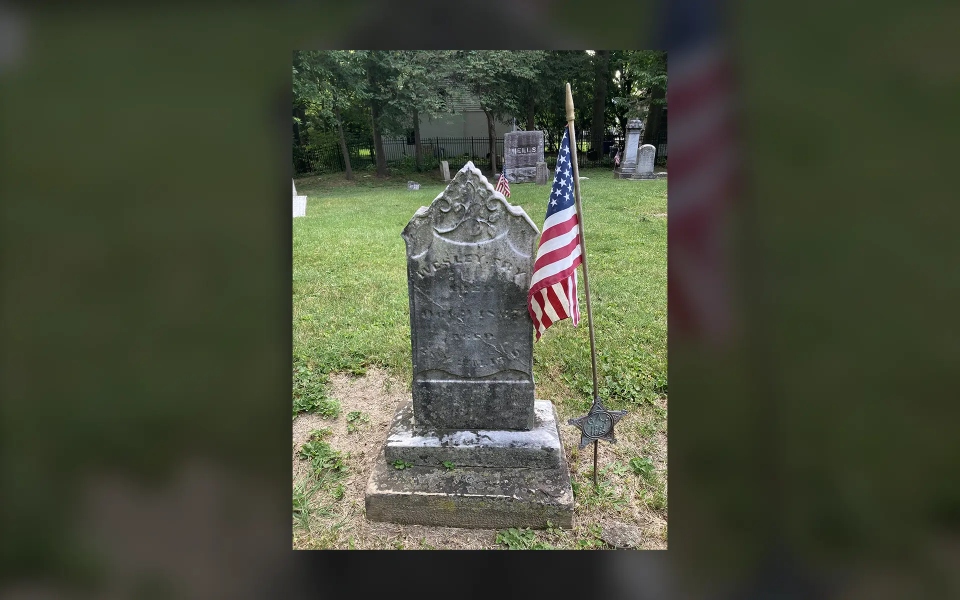
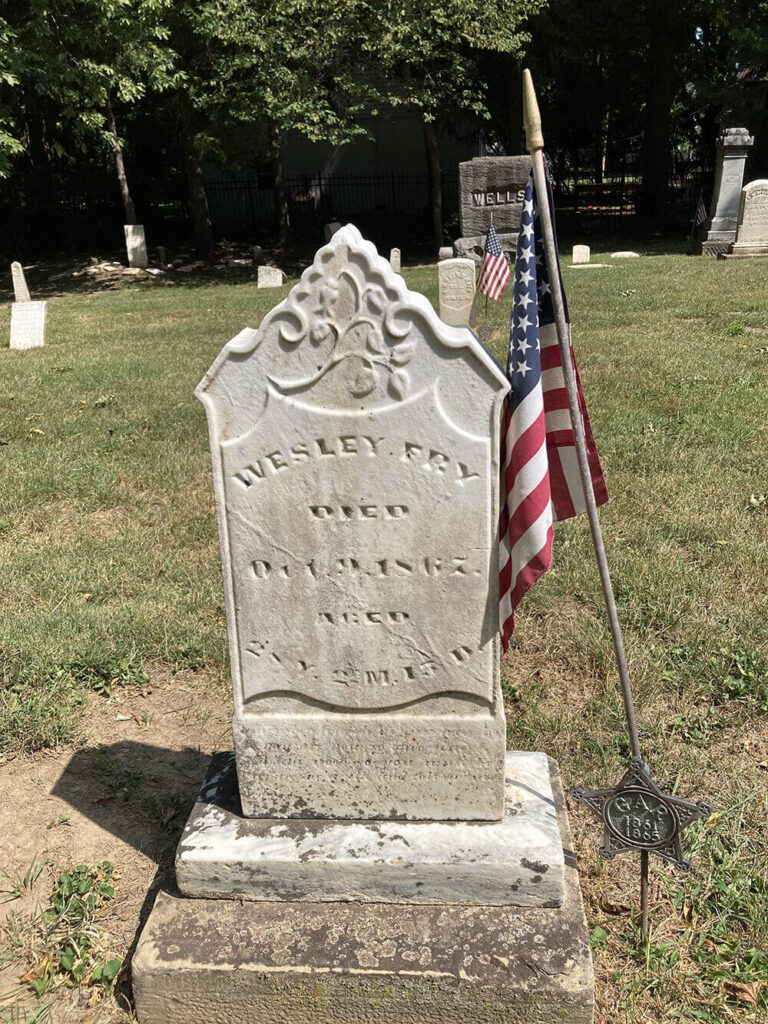
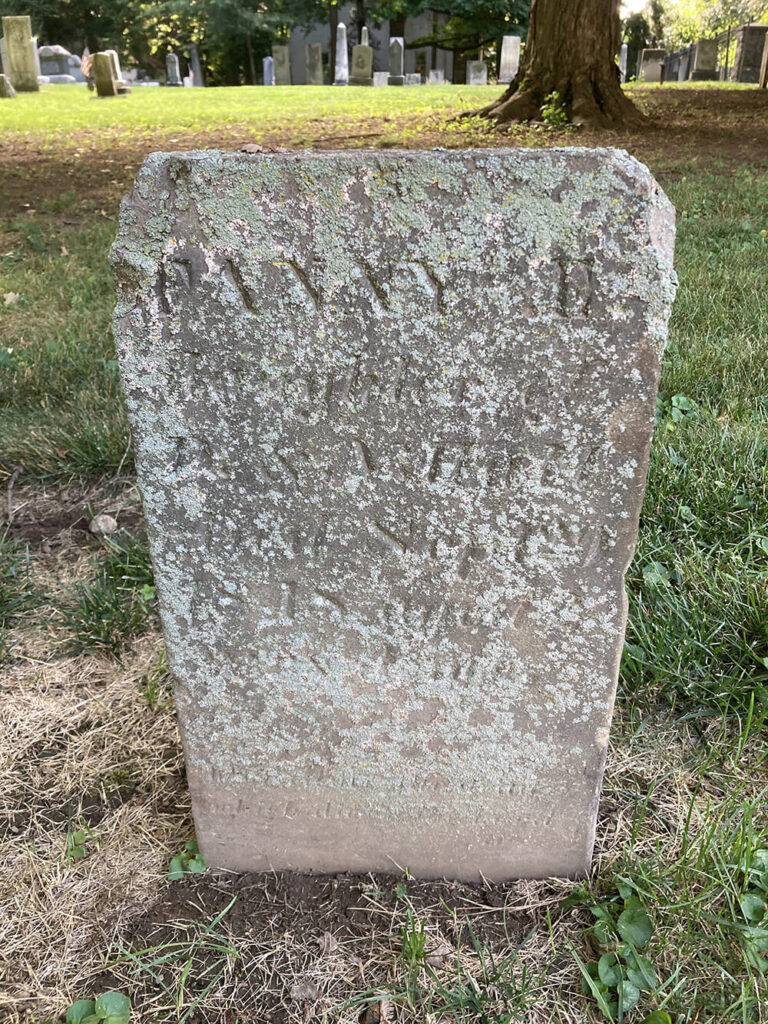
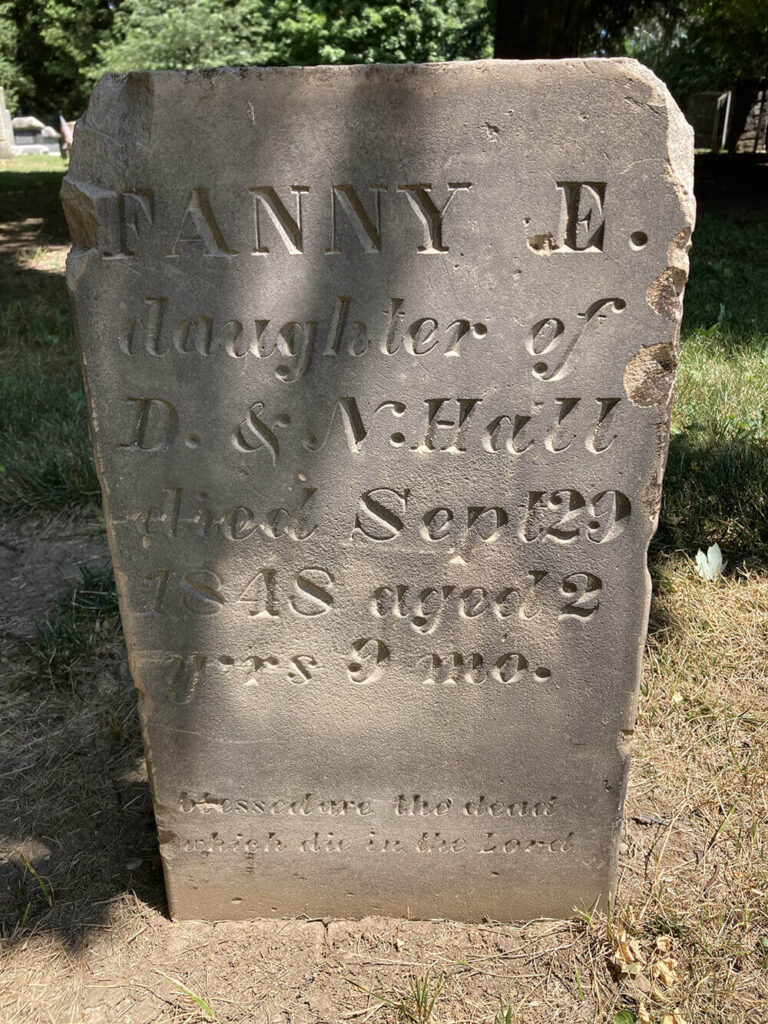
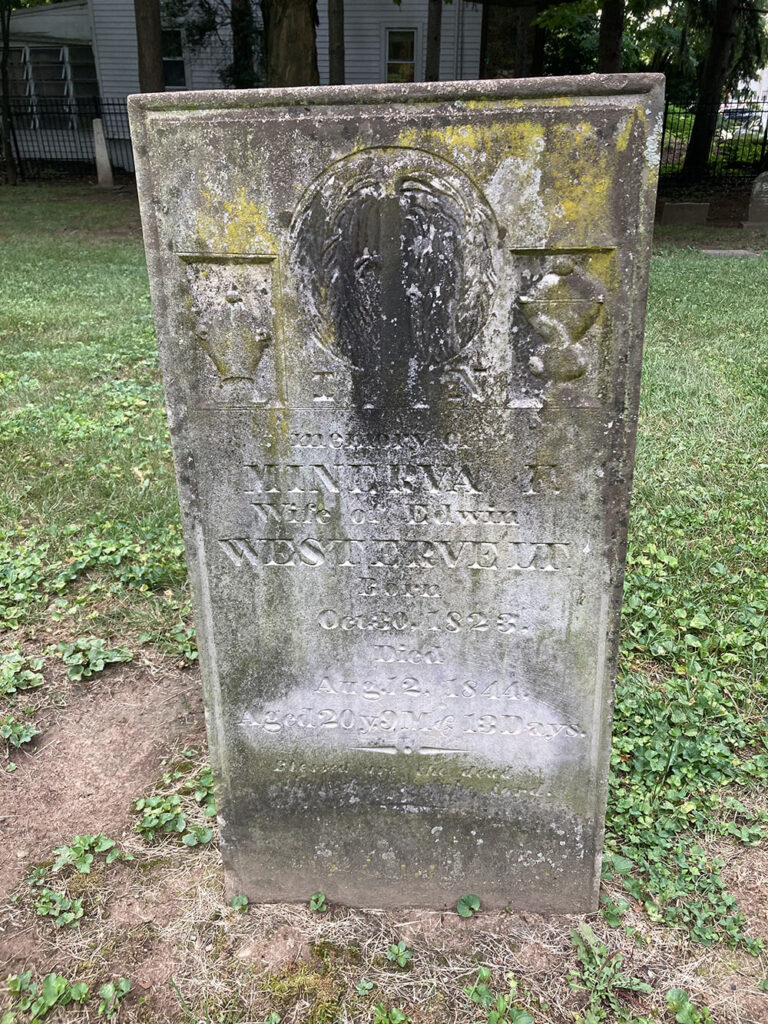
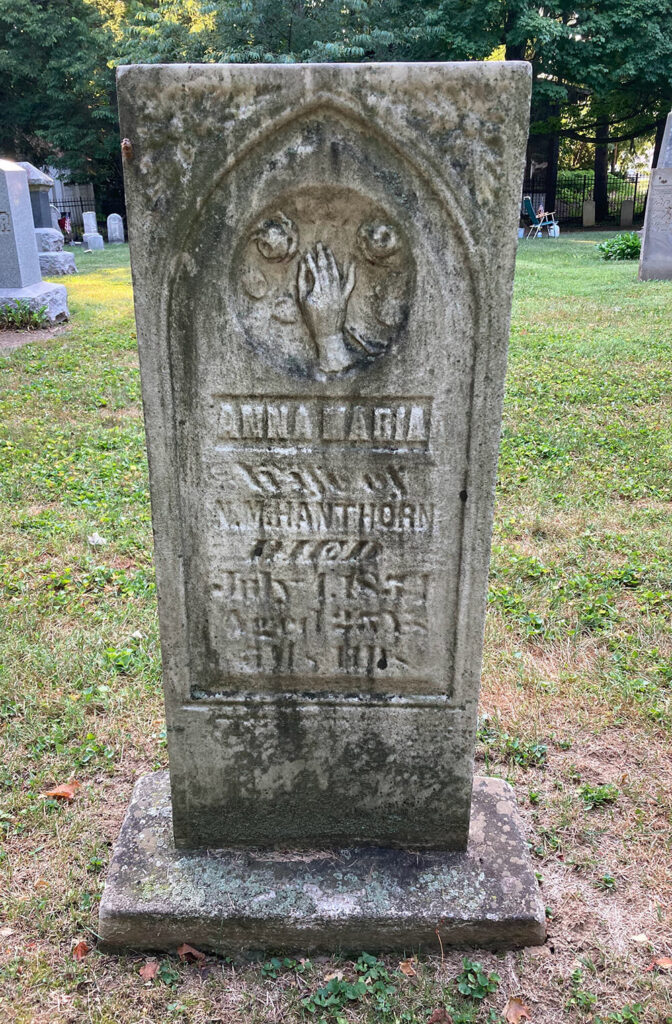
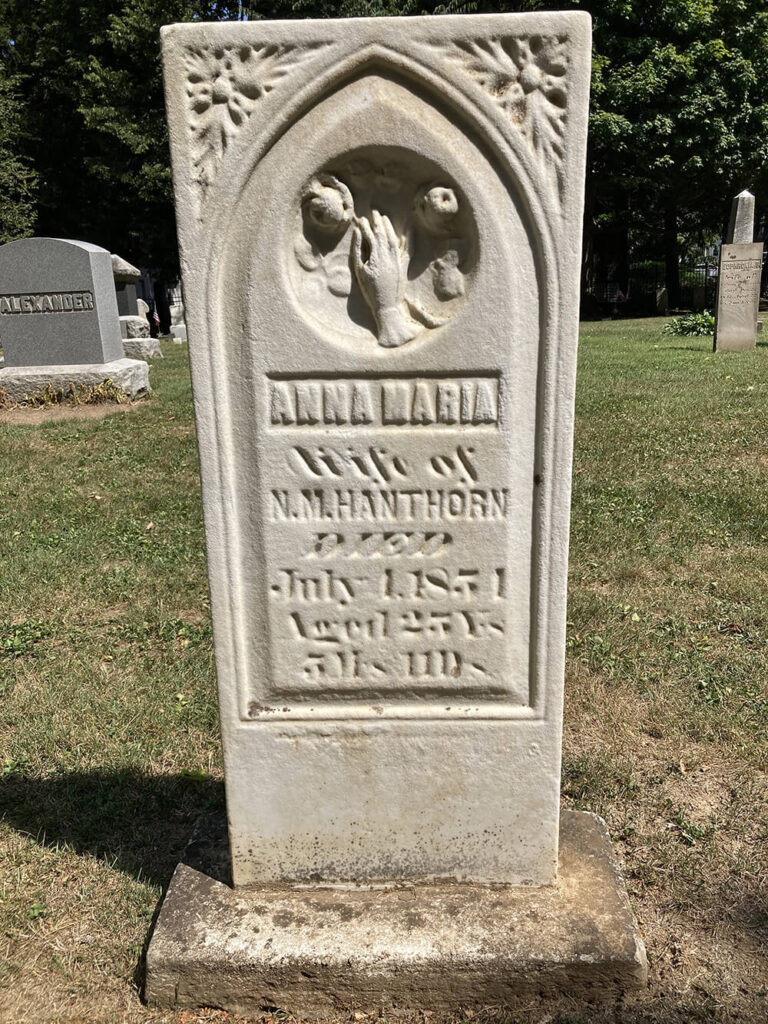
“I wanted to take pictures of some of the gravestones,” Foster said. “Most were blackened from age and unreadable. A cemetery is not engaging if you can’t read the gravestones.”
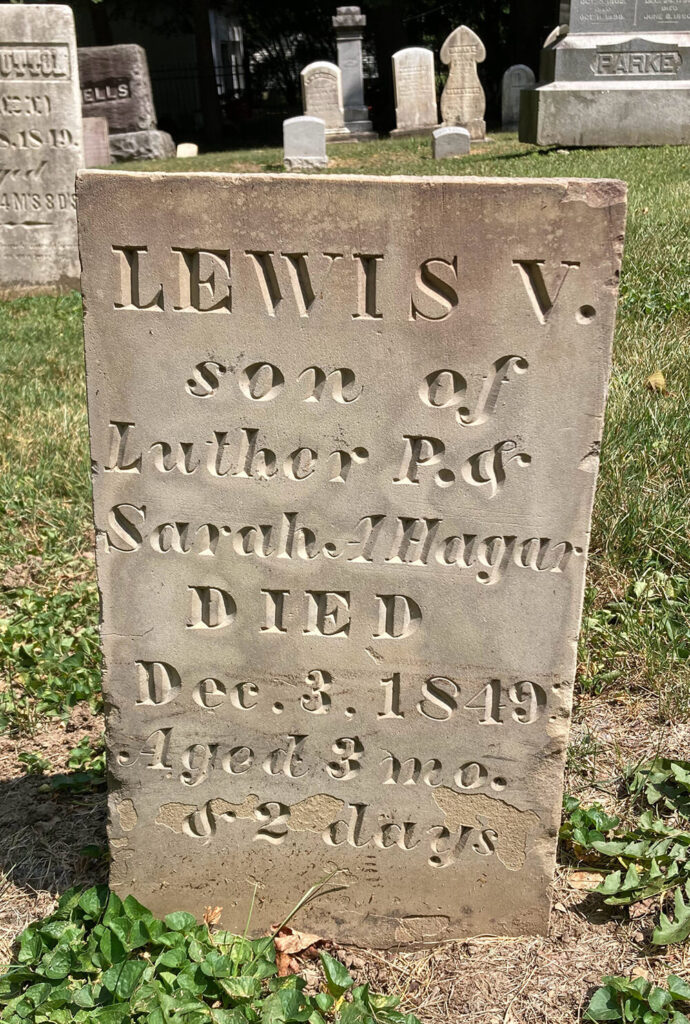
That small frustration sparked a restoration effort that has now seen 160 gravestones cleaned, almost all of those that are still standing. For Foster, the process has become much more than a volunteer project.
“I feel connected to the people buried there,” he said. “When I write about local history now, I like to include a person’s obituary, which may be the only biography that exists, and a picture of the gravestone. I clean the stone if needed. It’s a feel-good experience.”
Through his work, Foster has uncovered countless stories from Westerville’s early years. One that has stayed with him is that of Garrit Sharp, patriarch of the Sharp family for whom the area was once named Sharp’s Settlement. The Sharps were abolitionists who helped enslaved people travel safely along the Underground Railroad through Westerville.
“When the sun is hitting Garrit Sharp’s gravestone, you can read his first name and that’s about it,” Foster said. “That will be resolved soon as a second stone is being placed at the foot of the existing one.”
For Foster, there is pride in every restored stone and name made visible again. “I don’t get emotional, but I do take pride in the accomplishment,” he said. “Then I wonder if the spirit of the deceased person — if there is such a thing — knows.”
That dedication helped lead to a major achievement. The Olde Methodist Cemetery was recently approved for an Ohio Historical Marker, one of only about 20 awarded each year across the state. The marker will honor the pioneers and veterans buried there and shine new light on Westerville’s early history.
“The Ohio Historical Markers are a permanent treasure,” Foster said. “Though neither Pam Allen nor I were seeking any recognition, I feel like we got thanked for our efforts.”
Allen, a Church of the Messiah historian and Otterbein alumna, partnered with Foster to research the site and create a detailed burial record, something that had never existed or had been lost to time.
Foster hopes the marker will bring new attention to the cemetery, even though it sits off a quiet street and is easy to miss. “People from elsewhere who use the Ohio History Connection’s Remarkable Ohio website will now know this cemetery exists,” he said. “That will draw out-of-town visitors.”
Looking ahead to the marker’s installation, Foster hopes visitors will approach the space with curiosity. “For me, the purpose of naming names in the marker’s narrative is to give visitors a go-find experience,” he said. “If you bring small children, send them on a mission to find some of the named names.”
Thanks to Foster’s care and persistence, the Olde Methodist Cemetery will no longer remain a forgotten corner of Westerville. Instead, it will stand as a quiet but powerful reminder of the people who built the town’s foundation and of the community members who keep their memory alive.