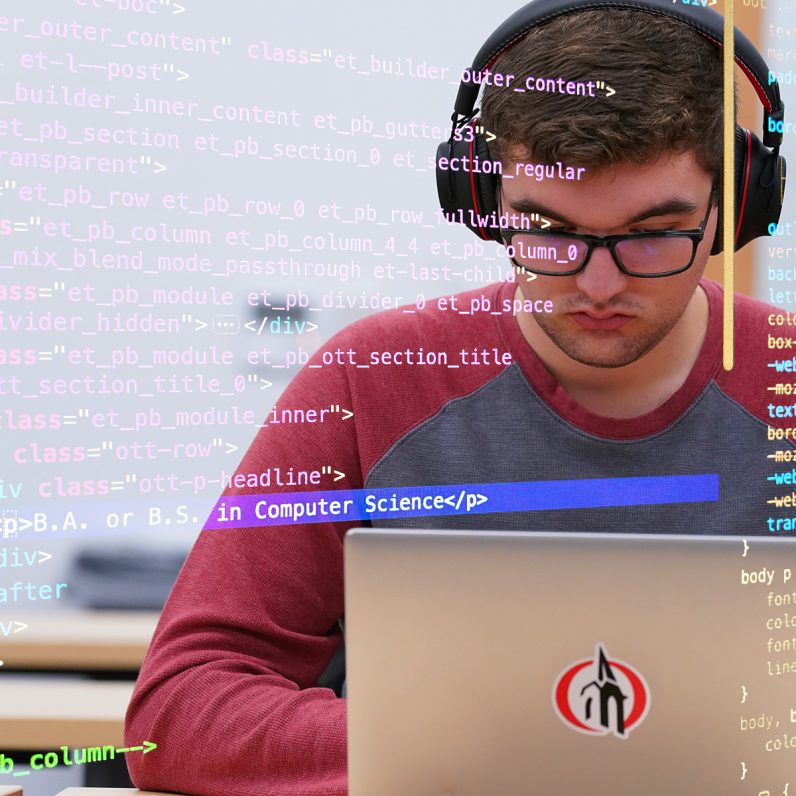
Computer Science
B.A. or B.S. in Computer Science Computer science is the study of problem solving with computers. Computer scientists focus primarily on the science of programming and controlling computers to store, communicate, and retrieve information. Our computer science curriculum is unique in its opportunities for hands-on learning with individualized guidance from professors. Nearly all required computer science courses include a lab component in which students gain software development skills through both individual and team projects. Bachelor of Arts (B.A.): prepares you for…
Computer Science (Minor)
Computer Science Minor A minor in Computer Science provides a gateway into the world of solving problems with computers. The minor starts with the same introductory sequence as the full major programs, followed by at least one elective in order to develop specialized knowledge. As computers have become an integral part of so many fields, a basic understanding of Computer Science can complement virtually any major. Students studying Mathematics, Engineering, or any other science often pursue a minor in Computer…

Engineering Physics
B.S. in Engineering Physics The Engineering Physics major blends physics with real-world applications in science and engineering. It prepares you for advanced study in physics, engineering, or related scientific fields. Additionally, it equips you for careers in a broad range of technical and professional settings. The curriculum offers a strong foundation in physics deeper than what most standard engineering programs provide. This solid grounding in basic science helps students quickly adapt to new topics, technologies, and techniques throughout their careers.…
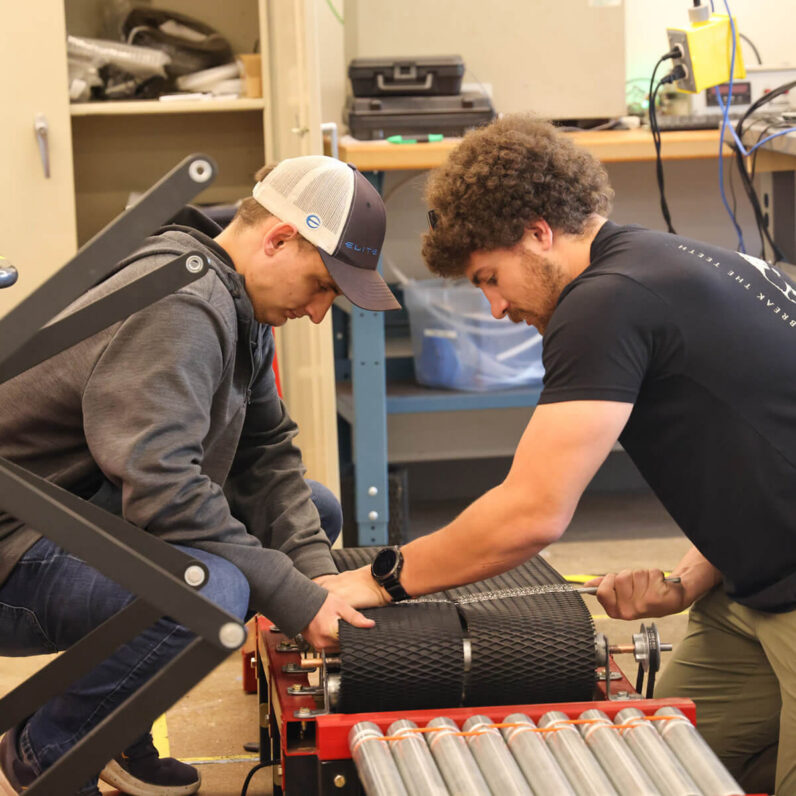
Mechanical Engineering
Bachelor of Science in Mechanical Engineering at Otterbein The B.S. in Mechanical Engineering at Otterbein University is an ABET-accredited program built on the core principles of engineering science, including stress analysis, heat transfer, fluid flow, and thermodynamics. These foundational concepts are applied throughout the curriculum to the design and development of mechanical systems, machines, and consumer products. From the very first courses, students engage with the engineering design process, learning how to create solutions that meet or exceed real-world performance…

Physics
B.A. in Physics The B.A. in Physics offers a strong and rigorous foundation in the core principles of physics. The program builds sharp analytical thinking, creative problem-solving skills, and broad practical training in modern science and technology. As a result, students gain a versatile skill set that prepares them for advanced study, industry roles, or teaching at the secondary level. Because physics emphasizes logical reasoning and clear analysis, graduates also enter fields such as computer programming, business, finance, law, and…

Physics (Minor)
Minor in Physics A minor in Physics is a great way to demonstrate an interest in and aptitude for a challenging STEM field and deepen your knowledge of fundamental science. In recent years, students majoring in programs as diverse as Computer Science and Biochemistry and Molecular Biology have taken minors in Physics. At Otterbein, the Physics Minor consists of the year-long lecture/lab sequence in general physics, plus PHYS 2700 – Modern Physics and two additional elective courses. Course Catalog > Programs in…

Physics Degree with Secondary Teaching Licensure
Physics Degree with Secondary Teaching Licensure Adding a Secondary Teaching Licensure component to your physics major prepares you for teaching physics at the secondary level (grades 7-12). See the Department of Education site for requirements for students seeking licensure in physics. Students must meet both the requirements for a B.A. in Physics and the requirements for teacher licensure. To be recommended for licensure a student must have a cumulative grade point average of 2.5 or better, have a 2.5 grade point…
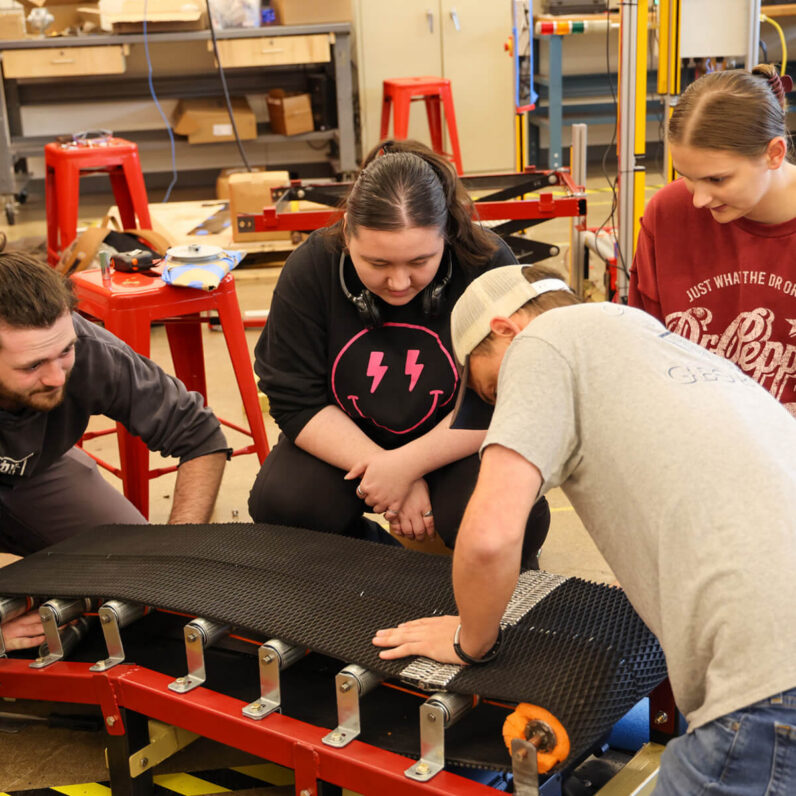
Systems Engineering
B.S. in Systems Engineering The B.S. in Systems Engineering is an ABET accredited program that is a combination of mechanical, electrical, and industrial engineering. Since many of today’s engineering problems do not respect the traditional boundaries of engineering disciplines, it is important to have knowledge in each of these areas. Tomorrow’s engineers will also have to have knowledge about cultural, economic, and ethical issues to be able to make a positive technological and societal impact. This combination of a broad…